
In an era defined by rapid technological advancement and an insatiable demand for innovation, the landscape of talent acquisition and professional development is undergoing a profound transformation. As an AI specialist and enthusiast, I’ve long advocated for the power of diverse perspectives in driving truly groundbreaking solutions. Yet, for too long, a significant wellspring of potential has remained underutilized: neurodiversity. The unique cognitive profiles, problem-solving approaches, and intense focus often associated with neurodivergent individuals represent an invaluable asset, particularly in complex fields like artificial intelligence.
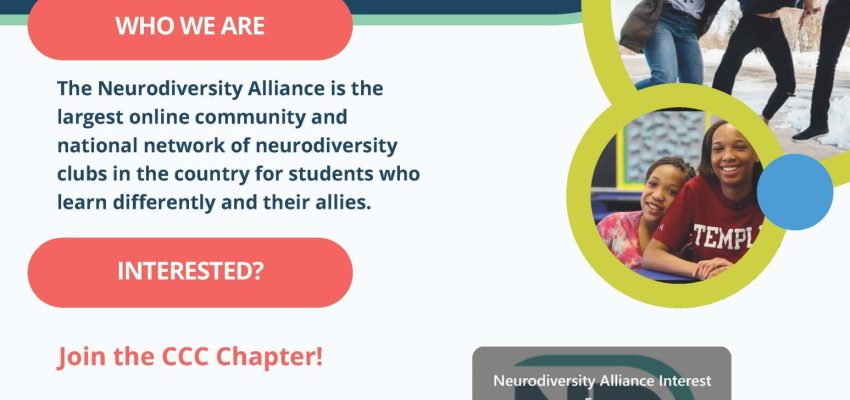
It is with great optimism, therefore, that I observe initiatives aimed at recognizing and cultivating this untapped resource. The recent announcement from Columbia University regarding the launch of its new Neurodiversity Alliance is a stellar example of this progressive shift. This student organization, a chapter of a national nonprofit, is set to provide neurodivergent students with critical professional connections, access to career opportunities, and a vital sense of community on campus. It’s more than just an academic program; it’s a recognition that diverse minds enrich every environment they inhabit, and that fostering neurodivergent talent is not just an act of inclusion, but a strategic imperative for the future of work, technology, and society at large.
This development at Columbia mirrors a growing understanding within leading industries and academic institutions that true innovation blossoms from a confluence of varied thoughts and experiences. As we navigate the complexities of building increasingly sophisticated AI systems, we require the very creativity, attention to detail, and unique pattern recognition abilities that neurodivergent individuals often possess. This article will delve into the profound impact of fostering neurodiversity, explore how artificial intelligence can both empower and be enriched by neurodivergent individuals, and consider what a truly inclusive future of innovation might look like.
Neurodivergent Talent: A Cornerstone of Innovation in the AI Era
The term ‘neurodiversity’ encompasses a wide range of natural variations in the human brain regarding sociability, learning, attention, mood, and other mental functions. Conditions such as autism, ADHD, dyslexia, and Tourette syndrome are examples of neurodivergent traits. Historically, these differences have often been misunderstood or stigmatized, leading to significant barriers in education and employment. However, a paradigm shift is underway, recognizing these unique neurological wirings not as deficits, but as distinct strengths.
Consider the qualities often found within the neurodivergent community: exceptional pattern recognition, intense focus, detail-oriented thinking, profound creativity, and a knack for identifying anomalies or logical inconsistencies. These are not merely desirable traits; they are foundational pillars for success in many cutting-edge sectors, especially in the realm of artificial intelligence and technology. Developing robust algorithms, debugging complex code, ensuring data integrity, identifying subtle biases in large datasets, and envisioning novel applications for AI all benefit immensely from these diverse cognitive profiles.
Global tech giants and forward-thinking corporations have already begun to tap into this potential. Companies like SAP, Microsoft, Hewlett Packard Enterprise, and JPMorgan Chase have established dedicated neurodiversity-at-work programs. These initiatives are not solely altruistic; they are driven by a strategic understanding that neurodivergent employees bring unique problem-solving capabilities and innovative perspectives that significantly enhance productivity, quality control, and overall team performance. For instance, some companies have reported that neurodivergent QA testers can identify software bugs at a higher rate than their neurotypical counterparts, while others find them particularly adept at cybersecurity analysis or complex data modeling.
The Columbia Neurodiversity Alliance, by focusing on professional connections and career opportunities, is effectively creating a pipeline for this valuable neurodivergent talent into industries eager for fresh perspectives. It addresses a critical societal challenge: despite possessing high aptitudes and specialized skills, neurodivergent individuals often face disproportionately high rates of unemployment and underemployment. Estimates vary, but some studies suggest unemployment rates for autistic adults can be as high as 80% or more, even among those with higher education. Bridging this gap through structured support, mentorship, and targeted career development is not just equitable; it’s a vital investment in our collective future capacity for innovation.
This alliance understands that providing an inclusive environment where neurodivergent students can thrive means more than just offering jobs. It’s about fostering an ecosystem where their unique strengths are recognized, nurtured, and celebrated. By connecting students with scholarships, grants, and mentorship, the initiative aims to dismantle traditional barriers, enabling these individuals to fully develop their potential and apply their distinct cognitive advantages to real-world challenges, including the ethical and technical development of AI.
Bridging the Gap: The Role of Community, Mentorship, and AI in Empowering Neurodiversity
The success of any individual, particularly within a learning or professional environment, is rarely achieved in isolation. The ‘community’ aspect highlighted by the Neurodiversity Alliance is profoundly important. For many neurodivergent students, navigating university life and preparing for a career can present unique social and sensory challenges. A supportive community offers a safe space for shared experiences, peer mentorship, and a sense of belonging that is crucial for mental well-being and academic perseverance. This network can also serve as a powerful advocacy group, raising awareness and promoting understanding within the broader university and professional spheres.
Beyond community, the emphasis on scholarships, grants, and mentorship is equally vital. Financial aid can alleviate the economic pressures that disproportionately affect many neurodivergent individuals and their families. Mentorship, on the other hand, provides invaluable guidance, helping students navigate academic and career paths, refine professional skills, and build confidence. A mentor who understands the nuances of neurodiversity can offer tailored advice, help interpret social cues in professional settings, and advocate for necessary accommodations, ensuring that neurodivergent talent is not overlooked due to misunderstandings or a lack of appropriate support.
This is where artificial intelligence enters the narrative as a powerful enabler. AI, when developed thoughtfully and ethically, offers an array of tools that can specifically support neurodivergent individuals in their educational and professional journeys. For example:
- Personalized Learning Platforms: AI can adapt educational content and delivery methods to individual learning styles, pace, and preferences, which is immensely beneficial for students with dyslexia, ADHD, or autism.
- Executive Function Support: AI-powered calendars, reminders, task managers, and note-taking assistants can help individuals with ADHD manage organization, planning, and time management challenges.
- Communication Aids: Natural Language Processing (NLP) can assist with written communication, offering real-time feedback on clarity, tone, and grammar, or even converting text to speech and vice versa, aiding those with verbal communication differences.
- Ethical AI in Recruitment: AI tools, if designed with inclusivity in mind, can reduce unconscious bias in hiring processes. By focusing on skill-based assessments rather than traditional interviews that might disadvantage neurodivergent candidates, AI can help identify suitable candidates based on objective capabilities.
- Workplace Accommodation: Smart environments, adaptive interfaces, and AI-driven sensory regulation tools can create more comfortable and productive workspaces, catering to specific sensory needs or communication preferences.
Furthermore, it’s not just about AI *assisting* neurodivergent individuals; it’s about neurodivergent individuals *shaping* AI. Their unique perspectives are critical for developing AI that is less biased, more empathetic, and truly reflective of the diverse human experience. By involving neurodivergent thinkers in the design, development, and testing phases of AI systems, we can create technology that is more inclusive and less prone to perpetuating existing societal biases. This symbiotic relationship ensures that AI’s evolution is guided by a broader range of human understanding, leading to more robust and beneficial outcomes for everyone.
Cultivating an Inclusive Future: Beyond the Alliance, Towards a Neuro-Inclusive Ecosystem
The establishment of the Neurodiversity Alliance at Columbia is an inspiring step, but it also serves as a potent reminder of the broader work that remains to be done. To truly harness the full potential of neurodiversity, we need to cultivate an entire ecosystem that is inherently neuro-inclusive. This extends beyond university campuses to workplaces, policy-making bodies, and societal attitudes at large. Other educational institutions, industries, and governments can learn from Columbia’s initiative by proactively creating environments where diverse neurological profiles are not just tolerated, but actively sought out and celebrated.
This requires a multi-faceted approach. First, it involves educating neurotypical individuals – particularly leaders and managers – about neurodiversity. Understanding different communication styles, sensory sensitivities, and processing methods can prevent misunderstandings and foster more effective team dynamics. Training on unconscious bias is crucial to dismantle preconceived notions that might hinder the recognition of neurodivergent talent.
Second, organizations must critically examine their hiring practices, workplace culture, and infrastructure. Are application processes accessible? Are interviews structured in a way that allows neurodivergent candidates to showcase their skills effectively? Are there flexible work arrangements, quiet spaces, or sensory-friendly environments available? These aren’t just accommodations; they are investments in creating a more productive and innovative workforce.
Third, we must continue to advocate for policy changes that support neurodivergent individuals from early education through career progression. This includes funding for research, developing robust support services, and promoting inclusive design principles in technology and public spaces. The synergy between a diverse human workforce and advanced AI will be a defining characteristic of future economies. Those societies and organizations that successfully integrate and leverage neurodiversity will be at the forefront of innovation, developing AI systems that are more ethical, effective, and capable of solving complex global challenges.
The future of AI is not just about algorithms and data; it’s about people and perspectives. By fostering an environment where every mind can contribute its unique strengths, we build not only more intelligent machines but also a more intelligent, compassionate, and resilient society. Initiatives like the Neurodiversity Alliance are crucial beacons, guiding us towards a future where the full spectrum of human intellect is valued, empowered, and unleashed.
The Columbia Neurodiversity Alliance marks a significant stride towards building a truly inclusive future, where the unique strengths of every individual are recognized and celebrated. As an AI specialist, I firmly believe that the continued advancement of artificial intelligence hinges not just on technological prowess, but on the breadth and depth of human intellect contributing to its development. Fostering neurodivergent talent through community, mentorship, and thoughtful integration of AI tools is not merely an act of corporate social responsibility; it is a strategic imperative for innovation.
By empowering neurodivergent individuals to access career opportunities and build professional networks, we are not only enriching their lives but also injecting vital, diverse perspectives into fields like AI, which will ultimately lead to more robust, ethical, and groundbreaking technological solutions. The symbiotic relationship between human neurodiversity and artificial intelligence promises a future where technology amplifies our collective potential, creating a world that is not only smarter but also more equitable and universally beneficial. Let us champion these efforts and continue to build bridges that connect every unique mind to the boundless possibilities of innovation.