
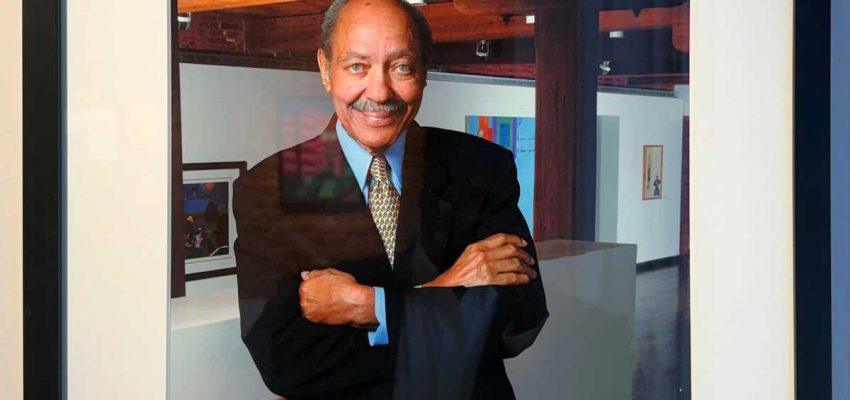

In the vast landscape of art patronage, some names echo through the halls of history, instantly recognizable for their monumental contributions. Others, though perhaps less immediately famous to the wider public, cast an equally significant, if quieter, shadow of influence. Paul R. Jones belongs to the latter. His name might not be as widely celebrated as some art titans, yet his vision and dedication forged one of the most remarkable and historically vital collections of African American art in the United States. His unwavering goal was to foster imagination and provide a platform for Black artists during times when mainstream art institutions frequently overlooked their immense talent and critical perspectives.
Today, the fruits of his lifelong passion are magnificently displayed and diligently preserved in Tuscaloosa, Alabama, at The University of Alabama, where the Paul R. Jones Collection of American Art stands as a testament to his profound belief in art’s power to inform, inspire, and transform. This article delves into the journey of this extraordinary collection, exploring the man behind the vision, the historical context that shaped his endeavors, and the enduring legacy it continues to build for artists, scholars, and the community alike.
Paul R. Jones Art Collection: A Legacy Beyond the Canvas
Paul R. Jones, born in Bessemer, Alabama, in 1928, was not a professional art curator, gallerist, or art historian by trade. He spent his career as a federal government employee, serving with distinction in the Department of Labor’s Equal Employment Opportunity Commission. It was a role that placed him at the heart of the civil rights movement’s ongoing struggle for justice and equality, experiences that profoundly shaped his understanding of systemic disparities—including those within the art world. Jones began collecting art in the 1960s, driven by a deep conviction that African American artists were being unjustly ignored and undervalued. He recognized the urgent need to preserve their work, not just for aesthetic appreciation but as critical documentation of American history and culture.
His approach to collecting was unique, characterized by an intensely personal commitment and a sharp eye for talent, often before artists gained widespread recognition. He wasn’t collecting for investment or status; he was collecting out of a sense of mission. Jones sought out artists who explored themes of identity, struggle, joy, and the lived experience of Black Americans, amassing a diverse array of mediums from paintings and sculptures to prints, drawings, and photographs. He often forged personal relationships with the artists he collected, understanding their stories and the context of their creations. This intimate approach allowed him to build a collection that wasn’t just a random assortment of pieces, but a cohesive narrative, reflecting a profound dialogue between art and life.
At a time when major museums and galleries were largely focused on European masters or a narrow canon of American art, Jones provided crucial patronage and validation to countless Black artists. He understood that art could challenge perceptions, foster empathy, and preserve cultural memory. The Paul R. Jones art collection became a vital cultural repository, a space where the creativity and perspectives of African American artists were not only celebrated but also secured for future generations. His vision was a quiet form of activism, using art as a powerful tool to rectify historical oversights and ensure that these voices would resonate for centuries to come, thereby enriching the broader tapestry of American art history.
Curating Culture: The Visionary Impact of a Passionate Collector
The act of collecting, for Paul R. Jones, was an intentional and deeply personal form of cultural curation. His vision extended beyond simply acquiring beautiful objects; it was about building a comprehensive narrative that reflected the breadth and depth of African American artistic achievement. He understood that many talented Black artists struggled to gain access to mainstream galleries and museums, often facing economic hardship and racial discrimination within the art world. Jones stepped into this void, becoming a crucial patron who provided not just financial support through purchases, but also a sense of validation and encouragement.
His collection grew to become one of the largest and most significant holdings of African American art in the world, eventually comprising over 2,000 pieces. This extensive body of work spans the 20th and 21st centuries, representing a vast array of artistic styles, movements, and perspectives. From the socially conscious realism of the Harlem Renaissance artists to the vibrant abstractions of contemporary creators, the Paul R. Jones art collection is a vibrant chronicle of artistic evolution and cultural expression. It features works by both established masters and emerging talents, including figures like Jacob Lawrence, Romare Bearden, Elizabeth Catlett, Kara Walker, and Sam Gilliam, among many others.
In 2008, Paul R. Jones made the extraordinary decision to donate his entire collection, valued in the millions, to The University of Alabama. This wasn’t merely a transfer of ownership; it was a carefully considered act designed to ensure the collection’s long-term preservation, accessibility, and educational impact. Jones chose the University of Alabama, a historically white institution in his home state, with a deliberate intention. He wanted the collection to serve as a catalyst for dialogue, understanding, and reconciliation in a region historically marked by racial division. His stipulations for the donation ensured that the collection would be actively used for teaching, research, and public exhibitions, making it a living, breathing resource rather than static artifacts hidden away in storage. This strategic placement underscores Jones’s commitment to using art as a bridge, fostering connections and promoting cultural literacy across diverse communities.
Sustaining Creativity: The Educational and Community Resonance
The donation of the Paul R. Jones art collection to The University of Alabama marked a pivotal moment, transforming a private passion into a public educational treasure. Since its arrival, the collection has become an indispensable resource for students, scholars, and the broader community. It is actively integrated into the university’s curriculum, providing unparalleled opportunities for art history, African American studies, and interdisciplinary research. Students gain hands-on experience by engaging directly with original artworks, studying techniques, interpreting narratives, and understanding the socio-historical contexts that shaped each piece. This direct engagement fosters a deeper appreciation for the arts and a more nuanced understanding of American history.
Beyond academia, the collection serves as a vibrant cultural anchor for Tuscaloosa and the wider region. The Paul R. Jones Museum, located in downtown Tuscaloosa, and various galleries across the university campus regularly feature rotating exhibitions from the collection. These public displays ensure that the art is accessible to everyone, from school groups to art enthusiasts, sparking conversations and inspiring new perspectives. These exhibitions are often accompanied by educational programs, lectures, and workshops that delve into the artists’ lives, their motivations, and the broader cultural significance of their work. This public outreach is crucial in fulfilling Jones’s original goal: to foster imagination and provide a platform for Black artists, ensuring their contributions are seen, valued, and understood by a broad audience.
The collection also plays a vital role in sustaining creativity by inspiring future generations of artists. By showcasing the powerful and diverse works of African American masters, it demonstrates the possibilities of artistic expression and the importance of an authentic voice. It encourages young artists to explore their own identities and experiences through art, much like the artists in the collection did. Furthermore, the Paul R. Jones art collection stands as a powerful symbol of cultural preservation and resilience. It reminds us that art is not merely decoration; it is a profound form of communication, a historical record, and a catalyst for social change. Through its continued presence and active engagement, the collection ensures that the artistic legacy of African Americans is not just remembered, but actively celebrated and built upon for years to come.
The story of Paul R. Jones and his magnificent collection is a powerful reminder that true impact often stems from deep conviction and unwavering dedication. What began as a personal quest to rectify an imbalance in the art world blossomed into a monumental gift to the nation, enriching our cultural heritage and inspiring countless individuals. His vision, born from a desire to uplift and recognize Black artists, continues to resonate, demonstrating the profound and lasting power of art to shape understanding and foster connection across generations and communities.
As we navigate an increasingly complex world, the accessible narratives and diverse perspectives offered by the collection serve as an invaluable resource for reflection and growth. The Paul R. Jones art collection at The University of Alabama is more than just a treasury of aesthetic beauty; it is a dynamic educational tool, a catalyst for social discourse, and a testament to one man’s belief in the transformative potential of art. It stands as an enduring beacon, illuminating the invaluable contributions of African American artists and ensuring their stories continue to be told, heard, and cherished for centuries to come.










