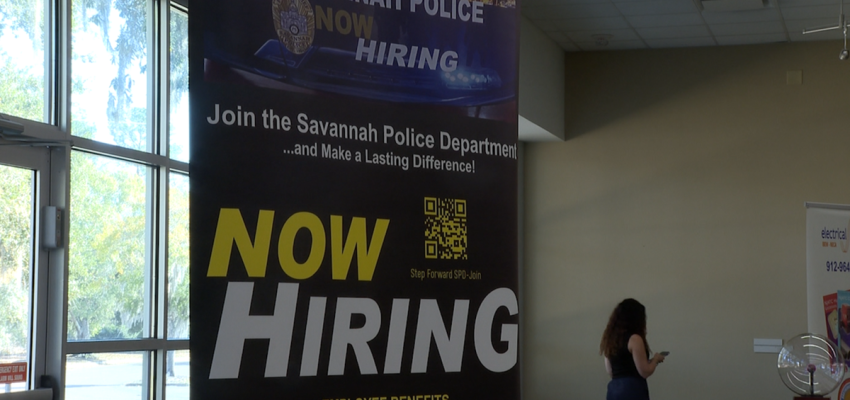

As the calendar pages turn towards a new year, a familiar urgency often stirs within the global workforce: the pursuit of new opportunities, fresh starts, and the aspiration to secure meaningful employment. This end-of-year push, often fueled by personal resolutions and organizational budget cycles, creates a dynamic period in the job market. While digital platforms and AI-powered tools have undeniably revolutionized how we search for and secure jobs, there remains a powerful, almost primal appeal to direct human connection. Events like the career fair, designed to bridge the gap between employers and job seekers, continue to stand as vital pillars in this evolving landscape, offering a tangible space for interaction that digital interfaces can’t fully replicate. As an AI specialist and tech enthusiast, I find it fascinating to observe how these traditional touchpoints adapt and thrive amidst rapid technological advancement, particularly with the omnipresence of artificial intelligence.
Career Fair in the Modern Era: More Than Just Handshakes
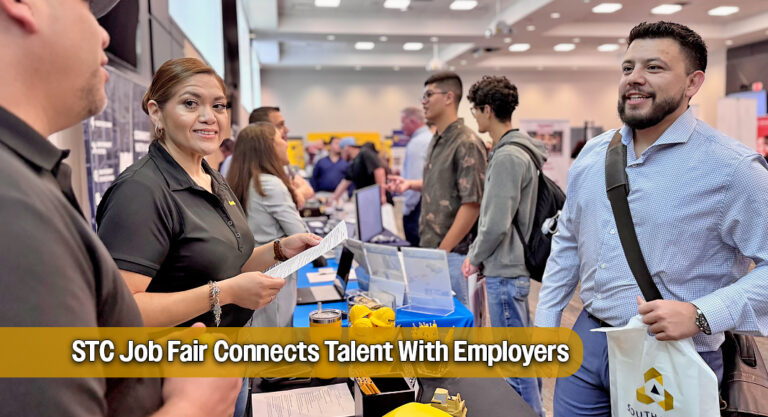
The concept of a job fair is hardly new. For decades, these gatherings have served as crucial meeting grounds, facilitating direct conversations between companies looking to hire and individuals seeking work. Historically, they were bustling halls filled with recruiters, stacks of resumes, and eager candidates, all vying for attention and connection. In many ways, the core value proposition remains unchanged: a single location where multiple employers can showcase their opportunities, and job seekers can meet numerous representatives in a short amount of time. This efficiency, coupled with the opportunity for immediate, face-to-face interaction, offers a distinct advantage over the often impersonal process of online applications.
Consider the common frustration of the ‘resume black hole’ – sending countless applications into the digital ether with little to no feedback. A physical **career fair** fundamentally bypasses this. It offers instant feedback, the chance to ask clarifying questions, and, crucially, to make a memorable impression that transcends a two-dimensional document. You can convey your enthusiasm, articulate your personality, and demonstrate your communication skills in a way that plain text simply cannot. For employers, it’s an unparalleled opportunity to assess cultural fit, gauge soft skills, and conduct preliminary screenings on the spot, potentially identifying star candidates who might not stand out on paper alone.
Beyond the immediate goal of securing an interview, these events are also powerful networking hubs. Even if you don’t find your dream job at a particular booth, the connections you make with recruiters, industry professionals, and even fellow job seekers can lead to unforeseen opportunities down the line. A significant portion of jobs are still found through networking and referrals, underscoring the enduring power of personal connections. In an age where digital noise can be overwhelming, the focused environment of a **career fair** provides a clarity and purpose that is often missing from endless online scrolling. They foster a sense of community and shared purpose among job seekers, offering encouragement and validation.
Furthermore, these fairs provide invaluable market intelligence. Job seekers can gain insight into industry trends, discover companies they might not have known about, and understand the skills currently in high demand. Employers, conversely, can gauge the talent pool, understand salary expectations, and gather feedback on their employer brand. This symbiotic exchange of information is vital for a healthy, dynamic job market, ensuring that both supply and demand remain aligned, especially as new technologies like AI continuously reshape skill requirements across sectors.
Navigating the Job Market: Strategies for Success in a Hybrid World
While the fundamental principles of a **career fair** remain constant, the strategies for success have evolved to reflect a more complex, hybrid job market. Preparing effectively is paramount. This begins long before you step foot into the event hall. Research the participating companies: understand their mission, recent projects, and the types of roles they typically hire for. This knowledge allows you to tailor your approach, ask informed questions, and demonstrate genuine interest – a significant differentiator.
Your resume, while no longer the sole gatekeeper, still needs to be polished, concise, and targeted. Consider having multiple versions ready, each subtly optimized for different industry sectors or types of roles represented at the fair. But remember, the resume is just a prop for the conversation. Your ‘elevator pitch’ – a brief, compelling summary of who you are, what you do, and what you’re looking for – is your most potent tool. Practice it until it feels natural, not rehearsed. It should highlight your key skills and experiences, directly addressing the needs you perceive the company to have.
During the fair, engagement is key. Don’t just collect brochures and business cards; engage in meaningful conversations. Ask open-ended questions that go beyond what you can find on a company website. Inquire about team culture, specific projects, growth opportunities, and how new technologies like AI are impacting their operations. Active listening is crucial – it not only shows respect but also helps you gather critical information to determine if a company is a good fit. Remember to get the contact information of the recruiters you speak with. A personalized follow-up email within 24 hours, referencing specific points from your conversation, can significantly boost your chances of being remembered.
The ‘new year, new me’ mentality often intensifies job-seeking efforts around the end of the year. Companies are often looking to fill roles before new budget cycles begin, or they have new headcount approved for the upcoming fiscal year. This creates a surge in opportunities, making late autumn and early winter a prime time for job fairs. For job seekers, it’s a chance to capitalize on this increased activity and align their personal aspirations with organizational growth. However, this period also means increased competition, making strategic preparation and a proactive approach even more critical.
The AI Lens: How Technology Reshapes Job Search and Career Fairs
As an AI specialist, I’ve witnessed firsthand how artificial intelligence is not just a buzzword but a transformative force in nearly every industry, and the job market is no exception. While a traditional **career fair** thrives on human interaction, AI is increasingly influencing both how job seekers prepare and how employers recruit, even for these face-to-face events.
For job seekers, AI offers powerful tools for preparation. AI-powered resume optimization platforms (like Jobscan or VMock) can analyze your resume against job descriptions, identifying keywords and formatting improvements to help you pass Applicant Tracking Systems (ATS) – which nearly 99% of Fortune 500 companies use. AI-driven interview practice platforms can simulate interviews, provide feedback on your answers, body language, and even tone of voice, helping you refine your presentation for those crucial in-person meetings. Furthermore, AI algorithms on platforms like LinkedIn and Indeed can personalize job recommendations, helping you discover relevant opportunities you might not have found through manual searching. This allows you to walk into a **career fair** with a more focused list of target companies, armed with deeper insights into their potential needs.
On the employer side, AI is revolutionizing recruitment efficiency. Automated resume screening, powered by machine learning, can quickly sift through thousands of applications, identifying candidates whose profiles best match predefined criteria, saving recruiters countless hours. Predictive analytics can even forecast a candidate’s potential success in a role based on various data points. AI chatbots are increasingly used for initial candidate engagement, answering FAQs and pre-screening applicants before human recruiters get involved. While these tools offer undeniable efficiency, they also present challenges. Biases in training data can lead to biased hiring outcomes, a critical ethical consideration that conscientious organizations are actively working to mitigate. The human touch at a **career fair** often serves as a crucial counterbalance, allowing recruiters to look beyond algorithms and assess the nuances of human potential.
The future of the **career fair** itself is likely a hybrid one. Virtual career fairs, which gained significant traction during the pandemic, offer accessibility and scalability, allowing participation from anywhere in the world. However, they often struggle to replicate the serendipitous encounters and authentic personal connections of a physical event. I envision a future where physical career fairs integrate AI more seamlessly: imagine smart matching apps that recommend booths to visit based on your skills and preferences, or data analytics that provide real-time insights into attendee engagement for organizers. The ideal scenario combines the best of both worlds: the efficiency and analytical power of AI with the irreplaceable warmth and depth of human interaction. The human element becomes even more valued, as it’s precisely what AI cannot yet fully replicate.
Skills for Tomorrow: Thriving in an AI-Augmented Workforce
The rapid advancement of AI means that the skills valued in the job market are constantly shifting. While technical proficiency in AI and data science is certainly in high demand, a broader range of human-centric skills is becoming increasingly critical. These are the skills that complement, rather than compete with, artificial intelligence. Critical thinking, complex problem-solving, creativity, and adaptability are paramount. As AI handles more routine and analytical tasks, humans will be called upon to innovate, strategize, and navigate ambiguity. Emotional intelligence, collaboration, and ethical reasoning are also vital, especially as we increasingly work alongside intelligent machines.
Upskilling and reskilling are no longer optional but a continuous necessity. A **career fair** can serve as an excellent platform not just for finding jobs, but also for understanding these evolving skill demands. By talking to recruiters across different industries, job seekers can gain insights into what competencies are being prioritized and identify areas for personal and professional development. Educational institutions and training providers are also increasingly present at these events, offering pathways to acquire these future-proof skills.
The narrative of AI replacing human jobs is often overly simplistic. A more accurate perspective is that AI is augmenting human capabilities, creating new roles, and redefining existing ones. The key to thriving in this AI-augmented workforce lies in embracing continuous learning, developing uniquely human skills, and understanding how to effectively collaborate with AI tools. Future career fairs will likely become even more focused on this synergy, connecting individuals not just with jobs, but with educational resources and career pathways that prepare them for a landscape where human ingenuity and artificial intelligence work in concert.
In conclusion, the enduring relevance of the **career fair** in a rapidly digitizing world speaks volumes about the intrinsic human need for connection and direct interaction. While AI and digital platforms have undeniably transformed the job search, making it more efficient and accessible, they cannot fully replicate the nuances of a face-to-face conversation, the immediate feedback, or the rich networking opportunities that a physical event provides. These events serve as vital conduits for securing employment, fostering professional relationships, and gathering critical market intelligence.
As we look ahead, the most successful career strategies will undoubtedly involve a thoughtful blend of traditional engagement and cutting-edge technology. Leveraging AI tools for preparation and insight, while simultaneously harnessing the power of direct human connection at events like the **career fair**, will empower job seekers to navigate the complexities of the modern job market. The future of work is not just about technology; it’s about how we, as humans, adapt, learn, and connect within an increasingly intelligent ecosystem, ensuring that opportunity remains accessible to all.