
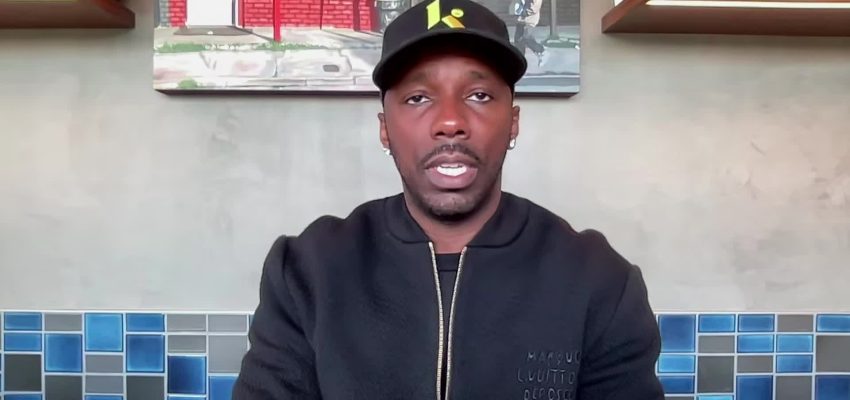

In an era defined by rapid technological advancements and the blurring lines between industries, the world of sports has emerged as a fertile ground for unprecedented **sports business innovation**. No longer confined to the courts and fields, athletic prowess now extends into boardrooms, design studios, and global brand strategies. At the forefront of this evolution stands Rich Paul, the charismatic founder and CEO of Klutch Sports Group, whose journey from humble beginnings in Cleveland to becoming one of the most influential figures in sports representation is nothing short of revolutionary.
Paul’s narrative is a compelling case study in vision, disruption, and the audacious pursuit of new paradigms. His agency, Klutch Sports, has transcended the traditional role of an athlete’s representative, evolving into a powerhouse that architects careers, builds brands, and crafts legacies. When a figure like Paul, known for his keen understanding of market dynamics and athlete empowerment, embarks on a significant partnership—such as the recent tie-up with athletic footwear giant New Balance—the industry takes notice. It signals not just a commercial deal, but a strategic realignment that offers a glimpse into the future of sports, commerce, and celebrity influence. This article delves into the strategic brilliance behind Rich Paul’s legendary career and the implications of the Klutch-New Balance collaboration for the broader landscape of sports enterprise.
Sports Business Innovation: A New Era of Influence
Rich Paul’s ascent in the sports world is often framed through the lens of his long-standing relationship with LeBron James, a bond that began during their formative years. However, to reduce Paul’s impact to merely being LeBron’s agent would be to overlook the profound philosophical shift he has engineered within the industry. Klutch Sports Group, founded in 2012, didn’t just aim to negotiate bigger contracts; it sought to redefine the very essence of athlete representation. Paul understood early on that modern athletes are not just players; they are brands, entrepreneurs, and cultural icons with immense potential beyond their playing careers.
Traditionally, sports agents focused primarily on contract negotiations, endorsements, and navigating the complexities of league rules. Klutch Sports, under Paul’s guidance, expanded this remit dramatically. They pioneered a holistic approach that integrates strategic brand building, media diversification, and long-term wealth creation. This involved identifying unique marketing opportunities, creating content platforms, and securing equity stakes in companies for their clients—moves that were once rare but are now becoming standard for elite athletes. This commitment to fostering true athlete empowerment and long-term financial independence represents a significant leap in **sports business innovation**.
Paul’s philosophy is rooted in authenticity and a deep understanding of the athlete’s voice. He has consistently championed his clients to leverage their platforms not just for personal gain, but to effect broader social and economic change. This approach has resonated deeply in a world where consumers increasingly demand genuine connections and purpose-driven brands. Klutch’s roster, which includes stars like Anthony Davis, Draymond Green, and De’Aaron Fox, reflects this strategy, showcasing athletes who are not only dominant in their respective sports but also astute business minds with burgeoning off-court empires. By empowering athletes to take control of their narratives and commercial destinies, Klutch Sports has not only disrupted the agency model but has also set a new benchmark for what modern athlete representation can and should be.
The Strategic Alliance: Klutch Sports and New Balance
The partnership between Klutch Sports Group and New Balance is a prime example of strategic synergy in the modern market, extending far beyond a mere endorsement deal. New Balance, a brand with a rich heritage and a reputation for quality and innovation, has undergone a remarkable resurgence in recent years. For decades, the market was dominated by giants like Nike and Adidas. New Balance, however, carved out its niche by emphasizing authenticity, craftsmanship, and a discerning approach to collaborations. Rather than chasing every major athlete, New Balance strategically aligns with cultural tastemakers and individuals who embody their values of independence and understated cool. This approach has allowed them to gain significant traction, particularly within the lifestyle and fashion segments, challenging established norms in the competitive athletic apparel sector.
The collaboration with Rich Paul and Klutch Sports is a masterstroke in this strategy. It’s not simply about signing Klutch athletes to wear New Balance gear. Instead, it’s a deeper, more organic relationship built on co-creation and mutual respect. Paul himself, with his distinct style and influence, designed his own limited-edition New Balance 550s, a shoe that quickly became a coveted item among sneaker enthusiasts and fashion critics alike. This level of personal involvement and creative control is a hallmark of the new wave of celebrity partnerships, moving away from transactional endorsements towards genuine creative ventures.
For New Balance, the alliance provides unparalleled access to the cultural pulse of professional sports, enhancing its credibility and street appeal. It offers a direct conduit to elite athletes, not just as endorsers but as collaborators who can provide invaluable feedback and design input. For Klutch Sports and its athletes, the partnership offers an opportunity to work with a brand that values their input and is willing to invest in long-term, authentic relationships. This is crucial in an industry where many athletes feel commoditized by larger brands. The Klutch-New Balance tie-up underscores a shift towards partnerships where influence is shared, and brand narratives are built collaboratively, demonstrating a nuanced understanding of contemporary market dynamics and **sports business innovation**.
This strategic alignment also resonates with New Balance’s broader commitment to empowering independent voices and challenging the status quo. By partnering with Rich Paul, a figure who embodies disruption and a self-made ethos, New Balance reinforces its brand identity as a company that supports those who forge their own path. The commercial implications are significant: increased brand visibility, enhanced cultural relevance, and the potential to capture new market segments that are drawn to the authenticity and narrative behind the partnership. It’s a win-win scenario that exemplifies the power of thoughtful, values-aligned collaborations in driving commercial success and cultural impact.
Beyond Apparel: The Evolving Landscape of Athlete Entrepreneurship
The Klutch-New Balance partnership is more than just a deal about sneakers and sportswear; it’s a microcosm of the larger, transformative trends reshaping the landscape of athlete entrepreneurship. Today’s top athletes are increasingly viewing themselves as diversified businesses, actively seeking opportunities that extend their influence and wealth beyond their playing careers. This shift is fueled by several factors, including the increasing sophistication of personal branding, the accessibility of digital media platforms, and a growing desire among athletes to exert greater control over their financial futures.
We are witnessing a paradigm shift where athletes are becoming investors, media moguls, and venture capitalists. Figures like LeBron James (Klutch Sports’ most prominent client), who co-founded SpringHill Company, a production and marketing enterprise, exemplify this trend. Serena Williams, through Serena Ventures, invests in a diverse portfolio of companies, and Kevin Durant’s Thirty Five Ventures has become a significant player in the tech investment space. These athletes are not passively waiting for retirement to explore business ventures; they are actively building empires concurrent with their athletic peaks. This proactive approach to wealth creation and brand building is fundamentally altering the traditional athlete career trajectory, pushing the boundaries of conventional **sports business innovation**.
Social media and direct-to-consumer models have played a pivotal role in this evolution. Athletes can now directly engage with their fan bases, cultivate personal brands, and even launch their own product lines without relying solely on traditional gatekeepers. This direct access empowers them to monetize their influence in unprecedented ways, bypassing intermediaries and forging stronger connections with their audiences. The digital age has democratized influence, allowing athletes to become potent cultural and commercial forces in their own right. Furthermore, advancements in data analytics and artificial intelligence are beginning to offer athletes and their agencies more precise tools for understanding market trends, optimizing brand strategies, and identifying lucrative investment opportunities, further accelerating this entrepreneurial wave.
This evolving landscape underscores a crucial lesson: the future of sports business lies in understanding and harnessing the multifaceted power of the athlete. It’s about recognizing them not just as performers, but as creative forces, astute business people, and influential cultural arbiters. The Klutch-New Balance collaboration is a shining example of how traditional industries can adapt and thrive by embracing this new reality, fostering genuine partnerships that elevate both the brand and the individual, and ultimately, driving continued innovation across the entire ecosystem.
Rich Paul’s journey and the strategic alliance between Klutch Sports Group and New Balance serve as a potent blueprint for the future of sports and business. It highlights a transformative period where the lines between athlete, entrepreneur, and brand ambassador are increasingly blurred, paving the way for unprecedented levels of influence and economic empowerment. By prioritizing authentic relationships, fostering creativity, and challenging conventional wisdom, Paul has not only built a formidable empire but has also inspired a new generation of athletes to take control of their destinies.
This synergy between a visionary agency and a forward-thinking brand is a powerful testament to the dynamic nature of **sports business innovation**. As we look ahead, it’s clear that the successful ventures will be those that embrace collaboration, celebrate individual narratives, and continuously seek out opportunities for co-creation. The future of athletic enterprise is not just about performance on the court; it’s about strategic vision, cultural impact, and the relentless pursuit of innovative partnerships that redefine what’s possible in the world of sports and beyond.










