
The world is on the cusp of a technological renaissance, largely fueled by the relentless march of artificial intelligence. From powering our everyday devices to revolutionizing complex industries like healthcare and finance, AI is no longer a distant sci-fi concept but a present-day reality, shaping our future at an unprecedented pace. As an AI specialist, writer, and tech enthusiast, I’ve had the privilege of witnessing this transformation firsthand, and it underscores a critical question: how do we prepare the next generation, our future innovators and leaders, for a world increasingly intertwined with intelligent machines?
Just as traditional summer camps and career fairs have historically exposed young minds to diverse professional paths—from engineering to entrepreneurship—we now face an urgent need for dedicated initiatives focused on artificial intelligence. It’s about more than just understanding how AI works; it’s about fostering a mindset of curiosity, critical thinking, and ethical responsibility in the face of immense technological power. The goal is to demystify AI, making it accessible and inspiring, ensuring that today’s students are equipped not just to adapt to an AI-driven future, but to actively build and define it.
### AI Education: Paving the Way for Future Innovators
The landscape of work is undergoing a profound metamorphosis. Reports from the World Economic Forum consistently highlight that AI and automation will create millions of new jobs, even as they transform existing ones. Roles that didn’t exist a decade ago, such as Prompt Engineer, AI Ethicist, and Machine Learning Operations (MLOps) Engineer, are now in high demand. This rapid evolution necessitates a proactive approach to **AI education**, moving beyond rote learning to cultivate genuine understanding and practical application.
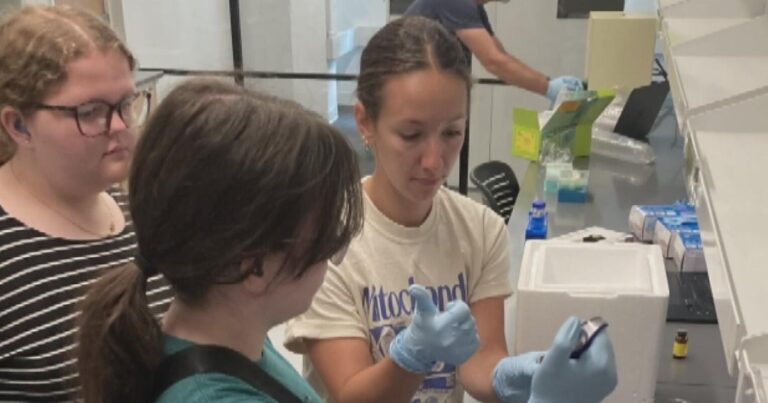
Imagine a summer program or an after-school initiative where students aren’t just reading about AI, but actively engaging with it. Picture young learners exploring the fundamentals of machine learning by training simple models, or delving into natural language processing through building basic chatbots. They could experiment with computer vision by developing algorithms that recognize objects, or even dabble in robotics, understanding the interplay between software intelligence and physical action. Such hands-on experiences, led by industry experts and academic mentors, are invaluable. They move beyond theoretical concepts, transforming abstract ideas into tangible projects that spark genuine interest and reveal the practical implications of AI.
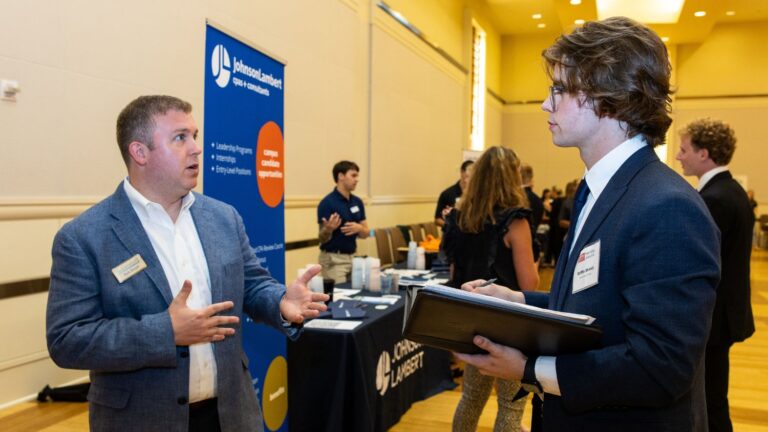
These programs offer a crucial window into the vast career possibilities within AI. Much like traditional career fairs introduce students to a variety of industries—from manufacturing to media—AI-focused initiatives can showcase the incredible breadth of roles available. It’s not just about becoming a data scientist or a software engineer. Students can discover paths in AI ethics and governance, ensuring fairness and accountability in AI systems. They might be drawn to UI/UX design for AI applications, focusing on human-AI interaction, or perhaps explore creative applications of AI in art, music, or storytelling. The sheer diversity of fields touched by AI means there’s a place for almost every talent and passion, provided we give students the opportunity to explore these ‘sweet options’ early on.
Furthermore, a comprehensive **AI education** must go beyond technical skills. It needs to nurture problem-solving abilities, encourage creative thinking, and instill a strong ethical compass. As AI becomes more sophisticated, the decisions it makes, and the data it processes, carry significant societal weight. Understanding concepts like algorithmic bias, data privacy, and the responsible deployment of AI is paramount. Engaging with these complex topics from a young age helps mold a generation of AI professionals who are not only technically proficient but also socially conscious and ethically grounded.
### Bridging the Gap: Industry-Academia Collaboration in AI Learning
The success of nurturing the next generation of AI talent hinges significantly on robust collaboration between academic institutions and the private sector. Universities, schools, and even community organizations cannot shoulder this responsibility alone. Industry partners bring invaluable real-world context, cutting-edge tools, and insights into current market demands. Think of it as a dynamic partnership where businesses aren’t just potential employers but active participants in the learning process.
For instance, companies at the forefront of AI development can offer internships, mentorship programs, and ‘day in the life’ experiences that immerse students in actual AI projects. They can provide guest speakers, leading workshops on specialized topics like deep learning frameworks, or sponsoring hackathons that challenge students to solve real-world problems using AI. Academic institutions, in turn, can integrate these industry insights into their curricula, ensuring that what is taught in the classroom remains relevant and prepares students for the challenges they will face upon entering the workforce. This symbiotic relationship ensures that **AI education** is not only robust but also responsive to the rapid advancements in the field.
Successful models already exist globally. Organizations like Google, Microsoft, and IBM have invested heavily in educational initiatives, often partnering with universities to develop specialized AI courses, offer free online learning resources, and establish research labs. Similarly, non-profits and governmental bodies are launching programs aimed at democratizing access to AI knowledge, providing training to teachers, and developing accessible curricula for K-12 students. These collaborative efforts create vibrant ecosystems where students can learn from the best, experiment with the latest technologies, and gain a clear understanding of how theoretical knowledge translates into practical innovation.
### The Global Race for AI Talent: Why Early Investment Matters
The development of AI is a global phenomenon, and nations worldwide are recognizing the strategic importance of nurturing their own AI talent pools. Countries like China, the United States, and various European nations are investing heavily in **AI education** and research, understanding that a skilled workforce is crucial for economic competitiveness and technological sovereignty. This isn’t just about outcompeting others; it’s about ensuring a nation’s capacity to innovate, solve complex societal challenges, and secure its place in a future increasingly defined by intelligent systems.
By prioritizing early **AI education**, we empower our youth with the foundational knowledge and critical thinking skills needed to thrive in this evolving landscape. This investment has long-term societal benefits, fostering a culture of innovation that can lead to breakthroughs in medicine, sustainable energy, climate science, and many other critical areas. Equipping students with AI literacy means they can contribute to these advancements, whether through direct technical roles or by applying AI tools and principles in diverse non-technical fields.
Consider the impact of widespread **AI education** on entrepreneurial ventures. A generation comfortable with AI will be more likely to identify opportunities for AI-driven solutions, leading to the creation of new businesses, services, and industries. This entrepreneurial spirit, nurtured by early exposure to AI, can drive significant economic growth and job creation, benefiting entire communities.
In essence, nurturing AI talent from a young age is not just an academic endeavor; it’s a strategic imperative for global leadership and sustainable development. It’s about building a diverse pipeline of future leaders, thinkers, and builders who are not only fluent in the language of AI but also deeply committed to using its power responsibly and creatively for the betterment of humanity.
The journey into the future, propelled by artificial intelligence, is one of immense possibility and profound responsibility. As we stand at this exciting juncture, the imperative to equip our youngest generations with the knowledge, skills, and ethical understanding of AI has never been clearer. Initiatives, akin to the insightful summer camps and career exploration programs of old, must now evolve to specifically embrace the complexities and opportunities of AI, offering students an early and engaging window into this transformative field. It is through these proactive and inspiring forms of **AI education** that we will empower them not just to navigate the future, but to actively invent it.
As André Lacerda, I firmly believe that by fostering a culture of curiosity, providing hands-on learning experiences, and building strong bridges between academia and industry, we can ensure that every aspiring mind has the chance to contribute to the AI revolution. Let us invest in their potential, nurture their talents, and guide them toward a future where artificial intelligence is a force for good, shaped by the innovative and responsible minds we cultivate today.