

In an era defined by unprecedented technological acceleration, the future of work is not just evolving; it’s undergoing a seismic transformation. Artificial Intelligence (AI) stands at the epicenter of this revolution, reshaping industries, redefining job roles, and demanding a new paradigm of professional preparedness. As an AI specialist and enthusiast, I’m constantly observing how innovation isn’t just a buzzword, but a foundational force challenging us to adapt. The traditional notion of ‘workforce-ready’ graduates, once focused on foundational knowledge and entry-level competency, has expanded dramatically. Today, it encompasses a dynamic blend of technical acumen, critical soft skills, unwavering adaptability, and a strategic approach to continuous learning and networking. This article delves into what it truly means to be ready for the demands and opportunities of tomorrow’s AI-centric professional world, exploring how individuals and institutions can effectively prepare for a future that is, quite literally, being coded before our eyes.
Workforce Readiness in the AI Age: A New Paradigm
The concept of Workforce Readiness in the AI Age is fundamentally different from what it was even a decade ago. The rise of sophisticated AI systems, from machine learning algorithms powering recommendation engines to advanced robotics automating manufacturing processes, has introduced a duality into the labor market: job displacement in some sectors and the creation of entirely new roles in others. The World Economic Forum’s ‘Future of Jobs’ report consistently highlights that millions of jobs are expected to be either augmented or replaced by AI by the mid-2020s, while an equal or greater number of new, AI-adjacent roles are emerging. This isn’t just about coding or data science; it’s about reimagining nearly every professional domain.
For individuals, this means that simply acquiring a degree or a static skill set is no longer sufficient. The emphasis has shifted towards developing a ‘T-shaped’ skill profile: deep expertise in one or two core areas, complemented by a broad understanding of related fields, particularly AI literacy. This foundational understanding includes grasping how AI works, its capabilities and limitations, and its ethical implications. It’s about being able to interact with AI tools, interpret AI-driven insights, and understand how to leverage AI to enhance productivity and innovation within one’s chosen field. Moreover, the demand for traditional roles that require repetitive tasks is diminishing, while roles that demand creativity, complex problem-solving, and critical thinking—skills that AI currently struggles to replicate—are soaring. Therefore, true workforce readiness now integrates not just technical know-how but also the foresight to anticipate technological shifts and the agility to respond to them proactively.
Educational institutions, from universities like Lander to vocational schools, are increasingly tasked with redesigning curricula to meet these evolving demands. This involves moving beyond theoretical instruction to hands-on experiences with AI tools, fostering interdisciplinary collaboration, and embedding ethical AI considerations into every relevant course. The goal is to cultivate graduates who are not merely proficient in their chosen discipline but are also fluent in the language of AI, capable of navigating and contributing to an increasingly automated and data-driven landscape. This also includes preparing students for a job market where career paths are less linear and more dynamic, requiring continuous skill acquisition and adaptation.
Beyond Technical Prowess: The Adaptability and Lifelong Learning Imperative
While technical skills related to AI are undeniably valuable, the true differentiator for sustained career success in the AI age lies in an individual’s capacity for adaptability and commitment to lifelong learning. AI systems are excellent at processing data, executing complex calculations, and identifying patterns far beyond human capability. However, they lack the nuanced human qualities that remain indispensable: creativity, emotional intelligence, critical thinking, strategic planning, and complex communication. These ‘human skills’ or ‘soft skills’ are becoming increasingly ‘hard skills’ in the context of AI-augmented work. For instance, a data scientist might utilize AI models to identify market trends, but it’s human creativity that designs innovative product solutions based on those trends. Similarly, an HR professional might use AI to streamline recruitment, but it’s human emotional intelligence that fosters a positive company culture and resolves interpersonal conflicts.
Adaptability, in this context, means the ability to quickly acquire new knowledge, unlearn outdated practices, and pivot one’s skill set as technology evolves. The pace of AI innovation is relentless; what’s cutting-edge today might be standard practice tomorrow. This necessitates a mindset of continuous personal and professional development. Lifelong learning isn’t just about formal education; it encompasses a myriad of approaches: online courses (MOOCs from platforms like Coursera and edX), specialized certifications (e.g., in machine learning, cloud AI services), industry workshops, professional development programs, and even self-directed learning through books and open-source projects. For example, understanding prompt engineering—the art of crafting effective instructions for large language models—is a new, highly sought-after skill that emerged rapidly. Professionals must be agile enough to recognize such emerging needs and proactive in developing these competencies.
The ability to collaborate effectively with both human colleagues and AI tools is another crucial aspect of modern professional development. Teamwork now often involves human-AI collaboration, where AI handles routine tasks, data analysis, or initial drafts, freeing up humans to focus on higher-level strategic thinking, creative problem-solving, and ethical oversight. Cultivating these ‘meta-skills’—learning how to learn, how to adapt, and how to effectively collaborate in hybrid human-AI teams—is paramount for ensuring long-term Workforce Readiness in the AI Age. This proactive engagement with learning ensures that individuals don’t just react to change but actively shape their career trajectory.
Cultivating Your AI Career Network: The Human Element in a Digital World
In a world increasingly driven by digital connections and automated processes, the human element—specifically, professional networking—remains more vital than ever, especially for those navigating or aspiring to careers in AI. While AI can analyze vast amounts of data to predict trends or recommend connections, it cannot replicate the nuanced trust, mentorship, and serendipitous opportunities that arise from genuine human interaction. Building a robust AI career network is not just about exchanging business cards; it’s about establishing meaningful relationships that can open doors, provide insights, and foster collaborative growth.
For aspiring AI professionals, this means actively engaging with the AI community. This includes attending industry conferences and meetups (both virtual and in-person), participating in online forums and communities (like Kaggle, Hugging Face, or specialized LinkedIn groups), and seeking out mentors. Mentorship, in particular, offers invaluable guidance, allowing individuals to learn from experienced professionals’ successes and failures, understand industry nuances, and gain insights into potential career paths. These connections can also lead to internship opportunities, collaborative projects, or even direct job referrals—often the most effective way to secure a role in competitive fields.
Furthermore, networking in the AI space extends to interdisciplinary connections. As AI permeates every sector, understanding how it applies to fields like healthcare, finance, or entertainment becomes crucial. Collaborating with professionals from diverse backgrounds not only broadens one’s perspective but also reveals innovative applications for AI that might not be apparent within a purely technical silo. This cross-pollination of ideas is a powerful catalyst for innovation and personal growth. Many successful AI ventures began not with a solo genius, but with a team of individuals bringing diverse skills and perspectives to the table, often connected through their professional networks.
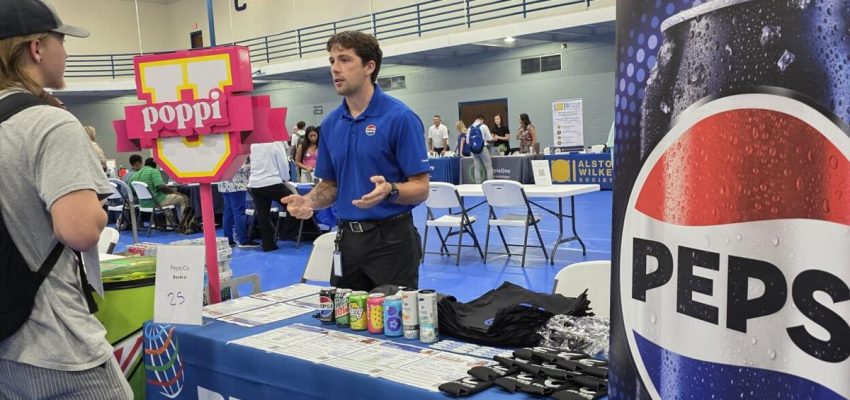
For academic institutions, fostering such networks is a critical part of ensuring Workforce Readiness in the AI Age. This involves creating alumni networks, facilitating industry partnerships for internships and guest lectures, and encouraging student participation in hackathons and project-based learning. These initiatives provide students with real-world exposure, allowing them to apply their skills, develop their professional presence, and begin building their crucial network even before graduation. Ultimately, while AI might streamline many processes, the power of human connection, collaboration, and mentorship remains the bedrock of career advancement in any cutting-edge field.
The acceleration of AI technologies also brings forth a spectrum of ethical considerations that future professionals must navigate. Beyond technical proficiency, understanding AI ethics, fairness, accountability, and transparency is paramount. The role of an ‘AI Ethicist’ is rapidly emerging, highlighting the demand for individuals who can bridge the gap between technological capabilities and societal values. This involves critical thinking about bias in algorithms, data privacy, and the societal impact of autonomous systems. Professionals across all domains, not just AI specialists, will need to be equipped to make informed, ethical decisions regarding the deployment and use of AI in their respective fields.
Practical experience is another cornerstone for true preparedness. While theoretical knowledge is essential, hands-on application solidifies understanding and builds confidence. Internships, capstone projects, open-source contributions, and participation in AI competitions provide invaluable opportunities to work with real-world data and challenges. These experiences not only refine technical skills but also develop problem-solving abilities, teamwork, and resilience—qualities highly valued by employers in the fast-paced AI sector. Demonstrable portfolios of work, rather than just academic transcripts, are becoming the new currency for showcasing an individual’s capabilities and their readiness to contribute effectively from day one.
The journey to achieving Workforce Readiness in the AI Age is dynamic and continuous, demanding a multifaceted approach from individuals, educators, and organizations alike. We’ve explored how the definition of being ‘workforce-ready’ has expanded to encompass not just technical AI literacy, but also crucial human skills like adaptability, critical thinking, and emotional intelligence. Furthermore, the strategic cultivation of a professional network, both within and across industries, proves indispensable for unlocking opportunities and fostering growth in a rapidly evolving job market. The AI revolution isn’t merely about technological advancement; it’s about a fundamental shift in how we approach learning, work, and career development.
As André Lacerda, I firmly believe that the future belongs to those who embrace this transformation with an open mind and a proactive spirit. The opportunities presented by AI are immense, but they require a commitment to lifelong learning, a willingness to adapt, and the wisdom to build strong human connections in an increasingly digital world. By prioritizing these aspects, individuals can not only future-proof their careers but also contribute meaningfully to shaping a more intelligent, innovative, and ethically sound tomorrow. The future is not just coming; it’s being built by those who are prepared to navigate its complexities and harness its incredible potential.










