
In an era defined by relentless technological advancement, the landscape of education is undergoing a profound transformation. As an AI specialist and tech enthusiast, I’ve observed firsthand how rapidly the demands of the modern workforce evolve, creating both unprecedented opportunities and significant skills gaps. Traditional educational paradigms, while valuable, often struggle to keep pace with the agile nature of innovation, particularly in the digital realm. This is precisely why the emergence of dynamic, hands-on vocational programs has become not just beneficial, but absolutely critical for cultivating the next generation of innovators and problem-solvers.
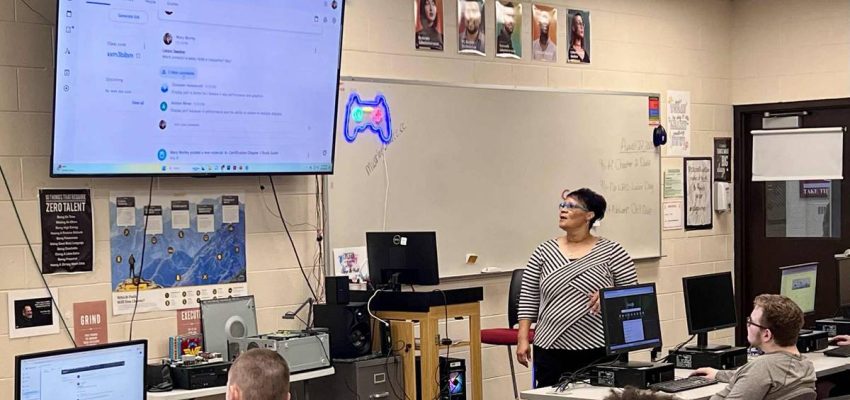
At institutions like the Whiteside Area Career Center (WACC) in Sterling, Illinois, a quiet revolution is underway. Here, students aren’t merely passive recipients of information; they are active participants in a vibrant ecosystem of discovery and creation. They are taking technology apart, understanding its fundamental mechanics, putting it back together, and, most importantly, coding their way into the future. This approach transcends rote memorization, fostering a deep, intuitive understanding of complex systems. It’s an exciting glimpse into how modern education can effectively prepare young minds for the diverse and challenging demands of the digital age.
Tech Careers: Bridging the Skills Gap with Hands-On Education
The digital economy is voracious, constantly hungry for skilled professionals. From software developers and data scientists to cybersecurity analysts and AI engineers, the demand for expertise across various tech careers continues to skyrocket. Projections from organizations like the U.S. Bureau of Labor Statistics indicate that technology-related occupations are set to grow much faster than the average for all occupations, with hundreds of thousands of new jobs expected in fields like information security, software development, and computer systems analysis over the next decade. Yet, a persistent skills gap often leaves these critical roles unfilled. This is where vocational programs step in, offering a direct, practical pathway into these high-demand professions.
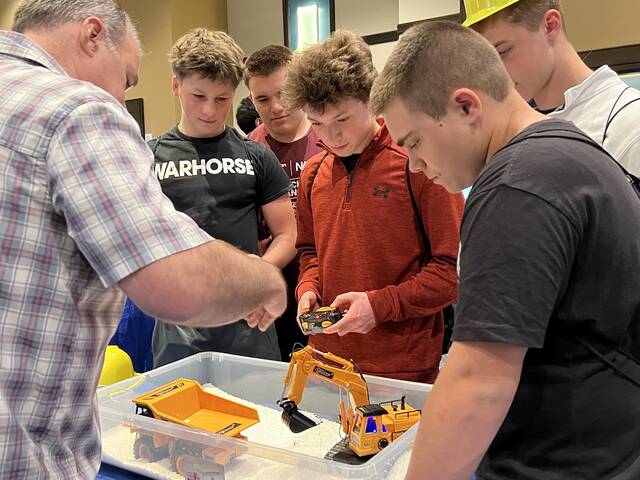
The WACC exemplifies this forward-thinking strategy. Their curriculum moves beyond theoretical concepts, immersing students in practical application. When students literally “take technology apart,” they’re engaging in a form of reverse engineering that builds foundational knowledge. They learn about hardware components, circuit boards, and the intricate architecture that underpins every digital device we interact with daily. This tactile engagement isn’t just about curiosity; it’s about developing a robust problem-solving mindset and a deep appreciation for system design. Reassembling these components, often with the task of improving or customizing them, further solidifies their understanding and ignites an innovative spark.
“Coding their way into the future” encapsulates the essence of modern digital literacy. Learning programming languages – be it Python for data science and AI, JavaScript for web development, or C++ for game design – provides students with the tools to translate abstract ideas into functional realities. It teaches logical thinking, algorithmic problem-solving, and iterative development, all indispensable skills for any role in the technology sector. This practical coding experience allows students to immediately see the tangible results of their efforts, fostering a sense of accomplishment and reinforcing the learning process in a way that theoretical lessons often cannot match. Such a curriculum directly addresses the needs of employers seeking candidates who can not only understand concepts but also implement solutions from day one.
Beyond the Textbook: The Power of Experiential Learning
The efficacy of vocational education lies in its unwavering commitment to experiential learning. Unlike traditional classroom settings where knowledge is often imparted through lectures and textbooks, programs like WACC’s prioritize “learning by doing.” This pedagogical approach significantly enhances knowledge retention, deepens comprehension, and builds practical competencies that are immediately transferable to real-world scenarios. Students aren’t just memorizing definitions; they are applying concepts in live projects, troubleshooting real issues, and collaborating on complex tasks.
Consider the psychological benefits of this approach. When students are actively engaged in building a game, designing a network, or simulating a cybersecurity defense, they become more invested in the learning process. The intrinsic motivation derived from seeing a project come to life or successfully overcoming a technical challenge is immense. This builds confidence, resilience, and a sense of agency—qualities that are paramount for navigating the often-unpredictable world of technology. Moreover, working on projects often necessitates teamwork and communication, honing crucial soft skills that employers consistently rank as highly important, alongside technical prowess.
This project-based learning model also naturally integrates iterative development, a cornerstone of software engineering and many other technology professions. Students learn to plan, execute, test, debug, and refine their work, understanding that failure is not an end but a stepping stone to improvement. This iterative cycle mirrors the agile methodologies prevalent in modern tech companies, preparing students not just for specific job functions but for the very culture of innovation and continuous improvement they will encounter in their future tech careers. It’s about cultivating a mindset of continuous learning and adaptation, which is perhaps the most valuable skill in a rapidly changing technological landscape.
The Digital Frontier: Game Design, Ethical Hacking, and Emerging Fields
The specific pathways offered at WACC – from game design to ethical hacking – perfectly illustrate the breadth and dynamism of modern tech careers. These are not niche fields but rapidly expanding sectors that offer compelling opportunities for creative and analytical minds.
Game design, for instance, is far more than just playing video games. It’s a multidisciplinary art and science that encompasses programming, graphic design, sound engineering, storytelling, user interface/user experience (UI/UX) principles, and project management. Students in a game design program learn to conceptualize virtual worlds, develop character mechanics, script interactive narratives, and implement complex game logic. They delve into engines like Unity or Unreal, understand rendering pipelines, and explore the principles of engaging gameplay. This experience is highly versatile, with skills transferable to simulation training, interactive media development, virtual reality (VR), and augmented reality (AR) applications – all burgeoning areas of the digital economy.
Ethical hacking, or “white hat” hacking, is another vital and increasingly sought-after skill set. In an age where cyber threats loom large and data breaches are a daily occurrence, the demand for cybersecurity professionals is at an all-time high. Ethical hacking students learn to think like malicious actors, identifying vulnerabilities in systems and networks before they can be exploited by criminals. They master penetration testing, digital forensics, network security protocols, cryptography, and risk assessment. These are the guardians of our digital infrastructure, protecting everything from personal data to national security. The ethical implications of AI in cybersecurity, both as a tool for defense and offense, add another layer of complexity and fascination to this critical field, making it one of the most impactful and challenging technology professions available today.
Beyond these two prominent examples, such programs often lay the groundwork for understanding and engaging with other emerging technologies. Fundamental coding skills, logical reasoning, and a systems-thinking approach are invaluable for students who may later specialize in artificial intelligence, machine learning, data science, Internet of Things (IoT) development, or cloud computing. The core competencies developed in these vocational settings are highly adaptable, providing a strong foundation for a lifetime of learning and evolving within the technology landscape.
In conclusion, the transformative power of vocational centers like the Whiteside Area Career Center cannot be overstated. By offering hands-on, project-based learning in high-demand fields like game design and ethical hacking, they are effectively bridging the gap between traditional education and the evolving needs of the digital economy. These programs are not just teaching students technical skills; they are cultivating a problem-solving mindset, fostering creativity, and instilling the resilience necessary to thrive in an ever-changing technological world.
As we look to the future, the importance of investing in and recognizing these innovative educational pathways will only grow. The students emerging from these centers are more than just graduates; they are skilled practitioners, ready to contribute meaningfully to the workforce from day one. They are the architects, defenders, and creators of our digital future, demonstrating that true preparation for tomorrow’s challenges comes from a combination of foundational understanding and practical, real-world experience. It is a model that other educational institutions would do well to emulate, ensuring a robust and adaptable pipeline of talent for the global technology sector. The future of innovation truly rests on the shoulders of these pragmatically trained individuals.