
In an era where technological advancements, particularly in artificial intelligence, are reshaping industries at an unprecedented pace, the spotlight often falls on the innovators, the disruptors, and the visionaries who are building the future. Yet, just as crucial, perhaps even more so, are the architects of the human capital that will navigate and thrive in this new landscape: our educators. It is with this profound understanding that we celebrate achievements like that of Dr. Shannon Castillo, Director of Career and Technical Education (CTE) for Dare County Schools, who has been named the 2025 CTE Administrator of the Year for the Northeast Region. While this recognition highlights individual excellence, it simultaneously underscores the vital and evolving role of modern Career and Technical Education in preparing students not just for jobs, but for dynamic careers in an increasingly complex and AI-infused world.
As an AI specialist and tech enthusiast, I see such accolades not merely as acknowledgments of past performance, but as powerful affirmations of the direction we must collectively take to ensure a prosperous and adaptable future for our next generations. This award serves as a timely reminder that behind every innovative leap, there must be a robust educational foundation, one that is responsive, forward-thinking, and deeply integrated with the demands of tomorrow’s economy. The journey from traditional vocational training to sophisticated, skill-centric learning pathways represents one of the most significant transformations in education, directly addressing the evolving needs of a globalized, digitally-driven economy.
Career and Technical Education: Architects of the Future Workforce
The term ‘vocational training’ often evokes images of past eras, perhaps associating it with manual labor or niche trades. However, the landscape of Career and Technical Education today bears little resemblance to its predecessors. It has undergone a profound metamorphosis, evolving into a dynamic, interdisciplinary, and indispensable pillar of contemporary education. Far from being a secondary track, modern CTE is a primary pathway to high-demand skills, offering rigorous, relevant, and experiential learning that directly addresses the needs of a rapidly changing global economy.
In the 21st century, where automation, robotics, and artificial intelligence are not just buzzwords but foundational elements of industry, the demand for a new kind of workforce has surged. We’re witnessing a significant skills gap – a chasm between the capabilities employers require and those possessed by job seekers. A 2023 report by IBM, for instance, indicated that over 120 million workers in the world’s 12 largest economies may need to be retrained or reskilled in the next three years due to AI adoption alone. This is where robust Career and Technical Education programs, led by visionary administrators like Dr. Castillo, step in as critical solution providers. They are no longer just teaching ‘trades’; they are cultivating a generation of critical thinkers, problem-solvers, and innovators equipped to design, operate, and even improve the very technologies that are shaping our future. This profound shift underscores the critical importance of modern Career and Technical Education in shaping competent, adaptable professionals.
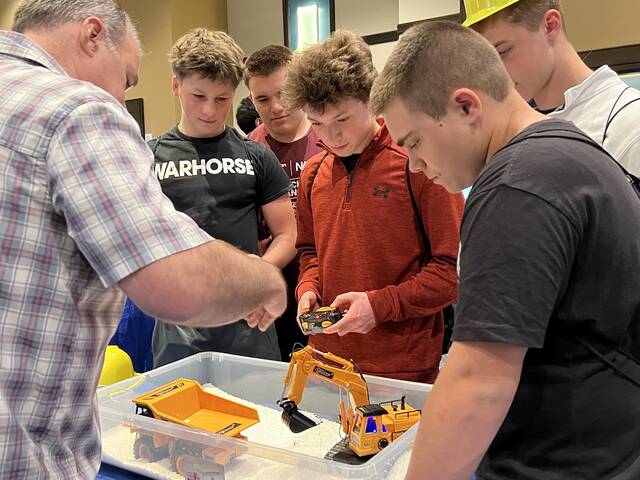
Today’s CTE curricula encompass a breathtaking array of fields. We’re talking about advanced manufacturing, where students learn to program CNC machines and work with collaborative robots; cybersecurity, protecting the digital infrastructure that underpins our modern lives; health sciences, incorporating cutting-edge diagnostic tools and telemedicine; renewable energy, developing sustainable solutions for power generation; and sophisticated IT pathways, including software development, data analytics, and even introductory AI concepts. These programs are designed to be hands-on, project-based, and deeply connected to real-world applications. They bridge the theoretical knowledge of traditional academics with practical, marketable skills, ensuring that students graduate not just with diplomas, but with portfolios of experience and industry-recognized certifications. This holistic approach prepares individuals for immediate employment, further education, or entrepreneurial ventures, making them adaptable and resilient contributors to the economy.
Navigating the AI Revolution: Skills for an Unpredictable Future
The integration of artificial intelligence into nearly every facet of our lives is no longer a distant future; it’s our present reality. From AI-powered diagnostics in medicine to algorithmic trading in finance, from autonomous vehicles to personalized learning platforms, AI is redefining efficiency, productivity, and even creativity. For the workforce, this means a seismic shift. Routine, repetitive tasks are increasingly being automated, leading to fears of job displacement. However, a more nuanced perspective reveals that AI is also creating entirely new job categories and augmenting existing ones, transforming them into roles that require advanced human-AI collaboration. The World Economic Forum’s 2023 Future of Jobs Report predicts that 69 million new jobs will be created, and 83 million eliminated by 2027, driven largely by technological advancements like AI, highlighting the urgent need for new skills.
This transformation places an immense burden and opportunity on Career and Technical Education. The focus can no longer solely be on technical proficiency in specific tools, which can become obsolete quickly. Instead, the emphasis must be on developing meta-skills and human-centric attributes that AI currently struggles to replicate. These include critical thinking, complex problem-solving, creativity, emotional intelligence, ethical reasoning, and cross-cultural communication. These ‘soft skills,’ often undervalued in traditional education, are becoming the most critical ‘hard skills’ for an AI-augmented world. Effective CTE programs understand this, integrating these competencies throughout their curriculum, teaching students not just *how* to use technology, but *how to think with it*, *how to innovate through it*, and *how to lead with it*. This evolving skill set is precisely what forward-thinking Career and Technical Education initiatives are designed to cultivate.
Moreover, a fundamental level of AI literacy is fast becoming indispensable across all professions. This doesn’t mean every student needs to become an AI engineer, but rather that every student should understand how AI works, its capabilities, its limitations, and its ethical implications. They should be comfortable interacting with AI tools, discerning credible information generated by AI, and understanding how AI impacts their specific field. Career and Technical Education is uniquely positioned to embed this literacy through practical applications – whether it’s using AI for predictive maintenance in manufacturing, employing machine learning algorithms for data analysis in business, or leveraging AI-powered simulation tools in healthcare training. This pragmatic approach demystifies AI, turning potential apprehension into empowered engagement. Leaders like Dr. Castillo are instrumental in advocating for these integrations, ensuring that students aren’t just consumers of technology, but informed participants and creators in the AI economy.
From Classrooms to Innovation Hubs: The Ecosystem of Modern CTE
The success of contemporary Career and Technical Education is rarely confined to the four walls of a classroom. Instead, it thrives within a vibrant, interconnected ecosystem that spans educational institutions, local industries, government agencies, and community organizations. This collaborative model is essential for ensuring that CTE programs remain agile, relevant, and responsive to the ever-changing demands of the labor market, especially as AI continues its rapid evolution.
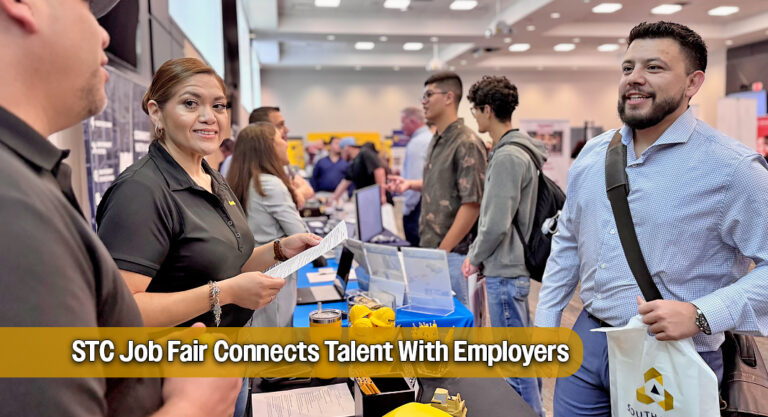
A cornerstone of this ecosystem is robust industry partnership. CTE programs proactively engage with local and regional businesses to design curricula, provide guest lecturers, offer internships, and facilitate apprenticeships. These partnerships are a win-win: businesses gain access to a pipeline of skilled, pre-trained talent, and students gain invaluable real-world experience, mentorship, and often, direct employment opportunities. For instance, a local manufacturing plant might collaborate with a high school’s advanced manufacturing program, providing students with access to their state-of-the-art machinery and offering summer apprenticeships. This synergy ensures that what is taught in the classroom directly aligns with industry standards and emerging technologies.
Furthermore, equipping CTE facilities with cutting-edge technology is paramount. This goes beyond basic computer labs; it means investing in robotics labs, virtual reality (VR) and augmented reality (AR) training simulations, 3D printers, specialized software for design and engineering, and dedicated spaces for collaborative innovation. Imagine students in a CTE healthcare program practicing complex surgical procedures in a VR environment, or aspiring automotive technicians diagnosing engine problems using AR overlays. These immersive technologies not only enhance learning but also prepare students for the advanced tools they will encounter in their future workplaces, many of which are increasingly AI-driven. Indeed, the long-term success of any region’s economy is increasingly tied to the strength of its Career and Technical Education infrastructure.
The human element, however, remains central. The quality of Career and Technical Education hinges significantly on its educators. These are professionals who often bring direct industry experience into the classroom, but they must also engage in continuous professional development to stay abreast of technological advancements, especially in AI. Programs that invest in ongoing training for their teachers, allowing them to attend industry conferences, secure new certifications, and pilot innovative teaching methodologies, are crucial. Leaders like Dr. Castillo play a pivotal role in fostering this culture of continuous learning and innovation among their staff, ensuring that the instruction remains cutting-edge.
Beyond the immediate educational and economic benefits, strong Career and Technical Education programs contribute significantly to social equity. They provide accessible pathways for students from diverse backgrounds to acquire valuable skills, earn competitive wages, and achieve upward mobility, potentially transforming generational trajectories. By offering alternatives to traditional four-year college degrees, or by providing a strong foundation for those who pursue them, CTE ensures that every student has an opportunity to find their niche and contribute meaningfully to society. It builds stronger communities by fostering local talent and supporting regional economic development, creating a virtuous cycle of skill, innovation, and prosperity.
The recognition of Dr. Shannon Castillo as the 2025 CTE Administrator of the Year for the Northeast Region is more than just a celebratory event; it is a powerful affirmation of the indispensable role that Career and Technical Education plays in shaping our collective future. In an age defined by the relentless march of artificial intelligence and technological disruption, the ability to adapt, innovate, and continuously acquire new skills is paramount. CTE, under the guidance of visionary leaders, stands as a beacon, guiding students through these complex transitions, equipping them with both the technical prowess and the human-centric skills necessary to thrive. It is a testament to the foresight and dedication of educators and administrators who understand that preparing students for tomorrow means building bridges between classrooms and careers, between theory and practical application, and ultimately, between human potential and technological advancement.
As we look towards an increasingly automated and interconnected world, the investment in robust and forward-thinking Career and Technical Education is not just an educational imperative but an economic and societal necessity. It ensures that our workforce remains competitive, our industries remain innovative, and our communities remain resilient. The lessons learned from exemplary programs, like those overseen by Dr. Castillo, offer a blueprint for fostering a generation that is not merely prepared for the future, but empowered to actively create it. Let us continue to champion these vital programs, recognizing that the true architects of our AI-driven tomorrow are being forged in the very classrooms and workshops of today’s dynamic Career and Technical Education.