

In an era defined by relentless technological advancement, few forces are as profoundly transformative as artificial intelligence. AI is no longer a futuristic concept confined to science fiction; it is a palpable reality, integrating itself into the very fabric of our daily lives and, perhaps most significantly, into the global economy and job market. As an AI specialist, writer, and tech enthusiast, I’ve witnessed firsthand the accelerating pace of this revolution. It’s a journey marked by both immense promise and significant questions, particularly concerning the future of work.
We stand at a pivotal moment where understanding, adapting to, and proactively shaping the influence of AI on human endeavor is paramount. This article delves into the multifaceted ways AI is reshaping industries, redefining job roles, and demanding a fresh perspective on skill development, exploring not just the challenges but the unparalleled opportunities that lie ahead for individuals and societies alike. The narrative around AI often swings between utopian visions of unprecedented productivity and dystopian fears of widespread job displacement. However, the truth, as always, lies in the nuance. My aim here is to provide a balanced, informed perspective, empowering readers to grasp the dynamics of this shift and prepare for a future that is already unfolding.
### AI’s Impact on Careers: Understanding the Transformation of the Job Market
To truly grasp the magnitude of the current shift, it’s helpful to look back at history. Humanity has navigated numerous technological revolutions – from the Agricultural Age to the Industrial Revolution, and more recently, the Information Age. Each brought with it profound changes, displacing old ways of working while simultaneously creating new industries and unprecedented opportunities. The steam engine, electricity, and the internet all, in their time, sparked anxieties about job losses, yet ultimately led to a net gain in human prosperity and new forms of employment.
Artificial intelligence, however, presents a unique paradigm shift. Unlike previous technologies that primarily automated physical labor or repetitive cognitive tasks, AI is beginning to automate decision-making processes, pattern recognition, and even creative functions. This is where the core of AI’s impact on careers lies: it’s not just about doing tasks faster, but about re-imagining how tasks are conceived, executed, and integrated into complex systems.
One of the most immediate effects of AI is the automation of routine and predictable tasks. This extends across various sectors, from data entry and administrative functions to basic customer service and certain manufacturing processes. For instance, chatbots now handle a significant portion of customer inquiries, freeing human agents to focus on more complex issues requiring empathy and critical thinking. In logistics, AI-powered systems optimize routes and manage inventory with unparalleled efficiency, while robotic process automation (RPA) streamlines back-office operations in finance and HR.
However, the story doesn’t end with automation. AI is also profoundly augmenting human capabilities. Consider the medical field: AI algorithms can analyze medical images with remarkable accuracy, helping radiologists detect anomalies earlier and more precisely. Legal professionals use AI to sift through vast amounts of case law, identifying precedents and patterns that would take humans weeks to uncover. In creative industries, AI can generate initial design concepts, compose musical pieces, or assist writers with brainstorming, acting as a powerful co-pilot that enhances human creativity rather than replacing it. This augmentation often leads to increased productivity and allows human professionals to focus on higher-value, more strategic aspects of their roles.
Perhaps the most exciting dimension of AI’s impact on careers is the creation of entirely new job roles and industries. Just as the internet spawned web developers, SEO specialists, and digital marketers, AI is giving rise to roles such as AI ethicists, prompt engineers, AI trainers, machine learning operations (MLOps) engineers, and data scientists specializing in AI model development and deployment. These positions require a unique blend of technical expertise, ethical understanding, and interdisciplinary collaboration. According to the World Economic Forum’s Future of Jobs Report, while AI might displace some roles, it is also expected to create millions of new ones, underscoring a dynamic re-shuffling rather than a simple reduction of the workforce. This complex interplay of automation, augmentation, and creation defines the evolving landscape of work.
### Navigating the New Skill Landscape: Adaptability and Lifelong Learning
As the tectonic plates of the global economy shift under the influence of AI, the nature of valuable skills is undergoing a significant transformation. The demand for purely technical, repetitive skills is diminishing, while ‘human-centric’ capabilities are soaring in importance. What does this mean for individuals preparing for, or currently navigating, their professional journeys?
First and foremost, skills that are inherently difficult for machines to replicate become paramount. These include critical thinking, complex problem-solving, creativity, emotional intelligence, collaboration, and cross-cultural communication. AI can process data, but it struggles with nuance, empathy, and intuitive leaps that define human innovation. The ability to ask the right questions, to interpret ambiguous data, to manage diverse teams, and to understand complex social dynamics will be increasingly prized. For instance, while AI can write a basic marketing copy, a human creative director is indispensable for crafting a brand narrative that resonates deeply with human emotions and cultural contexts.
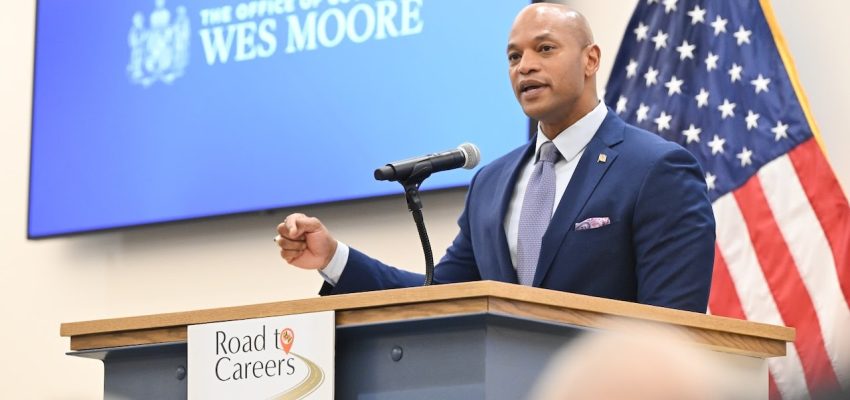
Another critical shift is the rise of ‘meta-skills,’ particularly adaptability and the capacity for lifelong learning. The pace of technological change means that the skills valued today may be partially obsolete tomorrow. Individuals must cultivate a mindset of continuous learning, eagerly embracing new tools, methodologies, and knowledge domains. This involves not just formal education but also informal learning through online courses, professional development programs, and on-the-job experience. Governments and educational institutions play a crucial role in fostering this environment, developing initiatives that support reskilling and upskilling for the workforce. These ‘road to careers’ type programs, wherever they are implemented, are vital for ensuring that workers can transition smoothly into new roles and leverage AI as a tool for personal and professional growth.
Human-AI collaboration is not merely a concept but a practical necessity. The future worker will not compete *against* AI, but will learn to work *with* AI. This requires a new literacy: understanding AI’s capabilities and limitations, knowing how to formulate effective prompts for generative AI, interpreting AI-generated insights, and overseeing AI systems. For example, a financial analyst armed with an AI tool can process market data far more quickly and identify trends invisible to the naked eye. However, it’s the analyst’s human judgment, ethical considerations, and client relationship skills that ultimately translate those insights into valuable investment strategies. This symbiotic relationship amplifies human potential, making the combined human-AI intelligence greater than the sum of its parts. Embracing this collaborative paradigm is essential for navigating AI’s impact on careers effectively.
### The Ethical Imperative: Ensuring an Inclusive AI Future
The immense power of AI also comes with significant responsibilities. As we integrate AI more deeply into our economic and social structures, we must confront the ethical dilemmas and potential challenges it poses. Job displacement, if not managed proactively, could exacerbate economic inequality. Algorithmic bias, often stemming from biased training data, can perpetuate or even amplify existing societal prejudices, impacting hiring decisions, loan approvals, or even criminal justice. Privacy concerns also loom large as AI systems require vast amounts of data to learn and function.
Addressing these challenges requires a concerted effort from policymakers, industry leaders, educators, and individuals. Establishing robust ethical AI frameworks and regulations is paramount. These frameworks should prioritize transparency, accountability, fairness, and human oversight. Organizations developing AI must foster diverse teams to mitigate bias and ensure that AI systems reflect a wide range of human experiences and perspectives. The absence of diverse voices in AI development can lead to systems that inadvertently disadvantage certain demographic groups, creating a negative AI’s impact on careers for many.
Governments have a critical role in creating social safety nets and investing in comprehensive retraining programs that support workers transitioning from roles impacted by automation. These initiatives are not just about mitigating negative consequences but about seizing the opportunity to build a more skilled and adaptable workforce for the future. Furthermore, public discourse and education are crucial to demystifying AI, fostering a nuanced understanding of its capabilities and limitations, and engaging citizens in shaping its ethical development.
Ultimately, the goal is to harness AI as a force for good, using its power to address some of the world’s most pressing challenges, from climate change and disease to poverty and access to education. An inclusive AI future means ensuring that the benefits of this technology are widely distributed, creating new opportunities for all, rather than concentrating wealth and power in the hands of a few. It’s about designing AI systems that augment human dignity and potential, fostering a future where technology serves humanity, and not the other way around. This holistic approach is key to understanding and managing AI’s impact on careers for the betterment of society.
As we stand on the precipice of this new era, it’s clear that artificial intelligence is more than just a technological advancement; it is a catalyst for profound societal change. The conversations we have today, the policies we enact, and the investments we make in human potential will determine the trajectory of this revolution. It demands a proactive, thoughtful, and collaborative approach from all stakeholders.
My perspective, as an AI specialist and tech enthusiast, remains one of optimistic realism. While challenges are inevitable, the human capacity for adaptation, innovation, and ethical reasoning is our greatest asset. The future of work with AI is not a predetermined fate but a landscape we are actively shaping. By embracing lifelong learning, championing human-centric skills, and committing to ethical development, we can ensure that AI’s impact on careers leads to a future where technology empowers every individual to thrive, fostering a world of unprecedented opportunity and shared prosperity. The journey ahead is complex, but by navigating it with wisdom and foresight, we can unlock AI’s full potential to serve humanity’s highest aspirations.










