
In an era defined by rapid technological advancement and societal shifts, one constant remains profoundly human: the quest for purpose and belonging. For the brave men and women who have served in the armed forces, the transition back to civilian life can often be a complex journey, fraught with challenges ranging from finding meaningful employment to rediscovering a sense of community. Yet, amidst these transitions, an inspiring movement is taking root across the United States, offering a fresh path for service members to apply their unique skills, discipline, and resilience in an unexpected, yet profoundly rewarding, sector: agriculture.
This isn’t merely about finding a job; it’s about cultivating a new mission, grounded in the earth and contributing directly to the nation’s food security and rural economies. From the quiet fields of Indiana to bustling agricultural hubs nationwide, programs are emerging that recognize the untapped potential of our veterans, creating a powerful synergy between those who have defended our country and the vital work of feeding its people. It’s a testament to adaptability, human spirit, and the enduring connection between service and stewardship.
Veterans in Agriculture: A New Mission, Familiar Principles
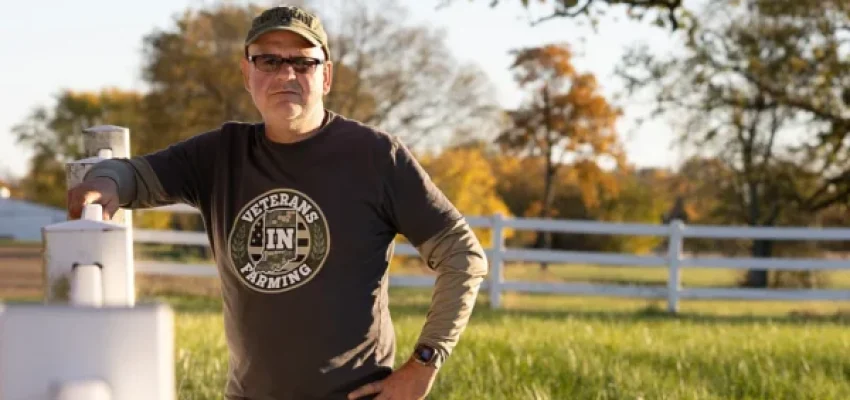
The notion that military service could seamlessly transition into a career in farming might initially seem unconventional, but upon closer inspection, the parallels become strikingly clear. Retired Army colonel Joe Ricker, a Hancock County, Indiana farmer, has been instrumental in bridging this perceived gap. He articulates a profound truth: “A lot of the aspects of farming are the same as they are in the military, such as safety, do I buy this, do I need to spend this money.” This insight forms the bedrock of initiatives like the Indiana program connecting service members to careers in agriculture – a powerful example of how structured thinking and resourcefulness, honed on the battlefield, are equally indispensable in the fields.
Military life instills a rigorous discipline, an unparalleled work ethic, and a deep understanding of logistics, planning, and problem-solving under pressure. These are not merely soft skills; they are critical competencies for successful farming operations. Whether it’s managing equipment maintenance, adhering to strict safety protocols, optimizing crop rotation schedules, or making critical financial decisions about investments in new technologies or seed varieties, the farmer’s daily life is a continuous exercise in strategic thinking. The structured environment of military service, with its emphasis on mission accomplishment and attention to detail, perfectly primes individuals for the demands of modern agriculture. Furthermore, the inherent camaraderie and teamwork often found in military units can be replicated in agricultural settings, whether on a family farm or within larger cooperative ventures, fostering a sense of belonging that many veterans seek post-service. The movement to integrate Veterans in Agriculture is not just about filling labor gaps; it’s about leveraging a highly skilled, motivated workforce with a proven track record of dedication and resilience.
Beyond the operational similarities, there’s a deeper, more personal resonance. The military fosters a profound sense of purpose and contribution to a greater good. Farming, in its essence, offers a similar fulfillment. It’s a tangible output, a direct contribution to society’s most fundamental need: food. This hands-on creation, working with the cycles of nature, and seeing the direct results of one’s labor can be incredibly therapeutic and grounding. It provides a renewed sense of purpose, replacing the strategic objectives of military operations with the equally critical goals of sustainable harvests and nourishing communities. The quiet solitude of working the land, balanced with community engagement, can also be a balm for those dealing with the invisible wounds of war, offering a peaceful environment conducive to healing and growth.
Cultivating New Futures: The Transformative Power of the Land
The transition from active duty to civilian life can present a unique set of challenges for veterans. Beyond the logistical hurdles of finding housing and employment, many struggle with a loss of identity, routine, and the tight-knit community they experienced in the service. Mental health challenges, including PTSD, anxiety, and depression, are also unfortunately prevalent. Agriculture, surprisingly, offers potent antidotes to many of these issues.
The routine and structure inherent in farming – waking with the sun, tending to livestock, monitoring crops, preparing for seasons – can provide a stabilizing framework for daily life, mirroring the disciplined schedules of military service. The physically demanding nature of farm work offers a healthy outlet for energy and stress, fostering a sense of accomplishment and physical well-being. Moreover, the direct connection to the land and nature has proven therapeutic benefits, reducing stress and promoting mental clarity. Horticulture therapy, for instance, is already recognized for its positive impact on psychological health, and engaging in full-scale agricultural endeavors extends these benefits significantly.
For many veterans, the dream of entrepreneurship or being their own boss also aligns perfectly with agricultural pursuits. The U.S. farming demographic is aging, and there’s a pressing need for new, innovative farmers to adopt sustainable practices and leverage emerging technologies. Programs like the one supported by Joe Ricker in Indiana are not just placing veterans in existing roles; they are often empowering them to start their own farms or agribusinesses. This entrepreneurial spirit, combined with the military’s emphasis on leadership and adaptability, makes veterans ideal candidates for leading the next generation of American agriculture. They bring fresh perspectives, an ability to rapidly learn and implement new technologies – from precision agriculture drones to data analytics for crop yield optimization – and a deep-seated commitment to success. These qualities make **Veterans in Agriculture** not just employees, but innovators and leaders.
Consider the practical skills learned in the military: mechanics, logistics, supply chain management, even veterinary care for K9 units – all directly transferable to a farm setting. A veteran who managed complex logistical operations for troop movements can easily apply those skills to managing fertilizer shipments, coordinating harvests, or distributing produce to markets. A mechanic who maintained military vehicles is perfectly positioned to keep tractors and irrigation systems running. The skills are there; it’s about recognizing and redirecting them towards a new, equally vital, national mission.
Beyond the Horizon: The Broader Impact and Future of Veterans in Agriculture
The integration of veterans into the agricultural sector offers benefits that extend far beyond individual career paths. It represents a significant investment in the future of American food security and rural economic revitalization. As global populations grow and climate patterns shift, the need for resilient, sustainable, and efficient food production systems becomes paramount. Who better to tackle these challenges than individuals trained to adapt, innovate, and persevere under adversity?
Programs supporting Veterans in Agriculture contribute to a more diverse and dynamic agricultural workforce. They bring in new ideas, perspectives, and a strong sense of community service. Furthermore, by fostering economic opportunities in rural areas, these initiatives help strengthen local economies, combat rural flight, and create vibrant, self-sustaining communities. Many veterans, having served in diverse locations, also bring a global perspective to farming, potentially influencing practices related to exotic crops, international markets, or innovative cultivation techniques observed abroad.
Federal agencies like the USDA have recognized this potential, offering various grants, loans, and training programs specifically designed for veteran farmers. State-level initiatives, like Indiana’s program, are critical in providing localized support, mentorship, and practical training tailored to regional agricultural needs. The collaboration between experienced farmers, educational institutions, and veteran support organizations is creating a robust ecosystem where service members can learn, grow, and thrive in their new careers. This collaborative spirit is essential for scaling these efforts and ensuring that every veteran who wishes to pursue a life on the land has the resources and support to do so successfully.
The impact is holistic: providing purpose and healing for veterans, strengthening the agricultural backbone of the nation, and contributing to food security for all. It’s a testament to the fact that while technology continues to advance at an astonishing pace, the fundamental human connection to the land and the transformative power of meaningful work remain irreplaceable.
In closing, the journey from the frontlines to the farmlands is more than a career change; it is a profound transition into a life of renewed purpose, community, and vital contribution. The experiences and virtues forged in military service – leadership, resilience, discipline, and a deep sense of duty – are not merely transferable; they are exceptionally suited to the complex and rewarding world of agriculture. Programs like the one in Indiana, championed by dedicated individuals like Joe Ricker, illuminate a powerful pathway for our veterans to continue serving their country, albeit in a different capacity, ensuring the health and prosperity of our agricultural landscape.
As we look to the future, it is imperative that we continue to invest in and expand these initiatives. Supporting Veterans in Agriculture is not just an act of gratitude; it is a strategic imperative for the health of our nation, our economy, and the well-being of those who have sacrificed so much for our freedom. It is a powerful reminder that the seeds of a new beginning can always be planted, and with the right care and dedication, they can yield an abundant harvest for generations to come.