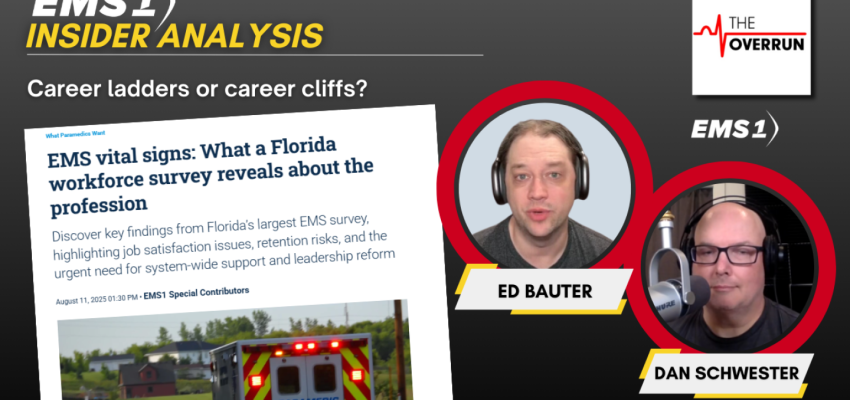

In the high-stakes world of emergency medical services (EMS), the difference between life and death often hinges on the swift, skilled actions of paramedics and EMTs. These dedicated professionals are the silent backbone of our healthcare system, responding to crises with unwavering commitment. Yet, beneath this heroic facade lies a profession in crisis, teetering on a precipice of talent drain and burnout. Recent data emerging from Florida, spotlighting an alarming rate of professionals leaving the field, serves not as an isolated incident, but as a stark microcosm of a national—and indeed, global—challenge. It forces us to confront a critical question: are we offering our EMS heroes career ladders that lead to growth and fulfillment, or merely career cliffs that usher them out of the profession?
As an AI specialist and tech enthusiast, I often ponder how data, innovation, and strategic foresight can transform industries. The EMS sector, with its inherent complexities and critical human element, presents a unique challenge and an immense opportunity for such transformation. The imperative for change is not just about filling vacancies; it’s about fundamentally rethinking how we support, develop, and retain the invaluable individuals who answer the call when emergencies strike. It’s about building a future where these essential roles are not just celebrated, but sustainably nurtured.
Workforce Sustainability: Unpacking the EMS Crisis in Florida and Beyond
The urgency of the situation is undeniable. The original analysis, focusing on Florida, painted a grim picture: a profession hemorrhaging talent at rates that are simply unsustainable. While specific numbers vary by region and over time, the underlying issues are consistent. Paramedics and EMTs face grueling shifts, exposure to traumatic incidents, high stress levels, and often, inadequate compensation that fails to reflect the profound responsibility they carry. The initial allure of a dynamic, impactful career often collides with the harsh realities of limited advancement opportunities, insufficient support for mental health, and an overwhelming administrative burden that detracts from their core mission of patient care.
This isn’t merely a Florida problem; it’s a systemic issue echoing across emergency services worldwide. Reports from various regions consistently highlight similar concerns: high turnover rates, recruitment difficulties, and widespread professional burnout. The average career span for an EMT or paramedic is disturbingly short, with many leaving within the first five years. This constant churn not only depletes the ranks but also impacts the quality of care, as institutional knowledge and experience walk out the door. Furthermore, the financial implications of high turnover—recruitment costs, training expenses, and reduced efficiency—are substantial, placing an additional strain on already stretched budgets. The lack of clear, progressive career pathways often leaves professionals feeling stagnant, with little incentive to remain in the field once the initial passion wanes or personal circumstances change. Addressing this requires a concerted effort to foster true workforce sustainability, ensuring that the profession remains attractive, viable, and rewarding for the long haul.
From Reactive Measures to Proactive Strategies: Redefining Career Paths
The metaphor of “career ladders or career cliffs” is particularly poignant for EMS. A career ladder implies upward mobility, opportunities for specialization, leadership roles, and continuous professional development. It suggests a path where experience is rewarded, skills are honed, and aspirations can be realized. Unfortunately, for many in EMS, these ladders are either non-existent or structurally unsound. The traditional career trajectory often plateaus quickly, offering few avenues for growth beyond frontline operations, leading to a sense of professional stagnation.
Redefining these career paths is paramount. This means creating structured opportunities for paramedics and EMTs to specialize in areas like critical care transport, community paramedicine, tactical EMS, or even dive into administrative roles, training, or quality assurance. It means investing in advanced education and certifications, and recognizing these achievements with appropriate compensation and authority. Beyond specialization, fostering leadership development programs within EMS agencies can empower experienced personnel to guide and mentor newer recruits, creating a supportive ecosystem that values progression and shared knowledge. Instead of reacting to attrition, agencies must proactively design career frameworks that are transparent, achievable, and appealing.
Consider the potential impact of robust internal development programs. Imagine a paramedic, after years on the streets, transitioning into a role focused on data analysis to optimize response times, or leading a team developing innovative training modules. These aren’t merely lateral moves; they represent genuine career progression that leverages their invaluable frontline experience in new, impactful ways. Such initiatives not only retain talent but also enrich the entire EMS ecosystem by bringing diverse skill sets and perspectives into management and planning. This shift from a reactive, crisis-management mindset to a proactive, growth-oriented strategy is fundamental for long-term workforce sustainability, transforming what might feel like a dead-end job into a vibrant, evolving career.
Leveraging Artificial Intelligence for a Resilient Future
As an AI specialist, I firmly believe that technology, specifically artificial intelligence and advanced data analytics, holds immense potential to revolutionize how we approach workforce sustainability in EMS. This isn’t about replacing human professionals, but empowering them, alleviating their burdens, and creating a more resilient system.
One primary application lies in **predictive analytics**. By analyzing historical data on staffing, call volumes, burnout indicators, and attrition rates, AI models can predict when and where talent shortages are likely to occur. This allows agencies to proactively address issues before they become crises, whether through targeted recruitment campaigns, improved scheduling, or preemptive support programs. AI can also identify risk factors for individual burnout, flagging professionals who might benefit from additional mental health resources or adjusted workloads, thereby preventing valuable personnel from reaching their breaking point.
**Automating administrative tasks** is another critical area. EMS professionals spend a significant portion of their time on paperwork, reporting, and logistical coordination. AI-powered systems can streamline these processes, from automated report generation based on voice input to intelligent resource allocation, freeing up paramedics and EMTs to focus on what they do best: patient care. This reduction in administrative burden directly contributes to job satisfaction and reduces fatigue.
Furthermore, AI can transform **training and professional development**. Personalized learning platforms can adapt to an individual’s skill gaps and career aspirations, recommending specific courses, simulations, and certifications. This not only enhances skill sets but also provides a clear, AI-guided path for career progression within the organization. Imagine an AI tutor helping an EMT prepare for a paramedic certification or guiding a paramedic through advanced critical care scenarios.
**Optimized staffing and scheduling** solutions powered by AI can consider complex variables like call volume predictability, individual fatigue levels, training requirements, and even personal preferences to create more equitable and sustainable shift rotations. This can lead to a significant reduction in overtime, improved work-life balance, and ultimately, a healthier, more engaged workforce. By integrating these technological advancements, we can create an environment where EMS professionals feel supported, valued, and see a clear future for themselves within the profession, significantly bolstering long-term workforce sustainability.
The challenges facing the EMS profession are complex, deeply rooted, and demand urgent attention. The insights from Florida’s data serve as a powerful reminder that merely acknowledging the crisis is not enough; proactive, innovative solutions are imperative. Achieving true workforce sustainability requires a multi-faceted approach that addresses compensation, mental health support, professional development, and, crucially, leverages the power of data and artificial intelligence to create smarter, more resilient systems.
By investing in clearer career ladders, embracing technological innovation, and fostering a culture of support and growth, we can transform the EMS profession. It’s time to move beyond the reactive cycle of talent loss and instead build a future where our emergency medical professionals are not just heroes on the front lines, but also thriving individuals with fulfilling, sustainable careers. The well-being of our communities, and the very fabric of our emergency response systems, depends on it.